
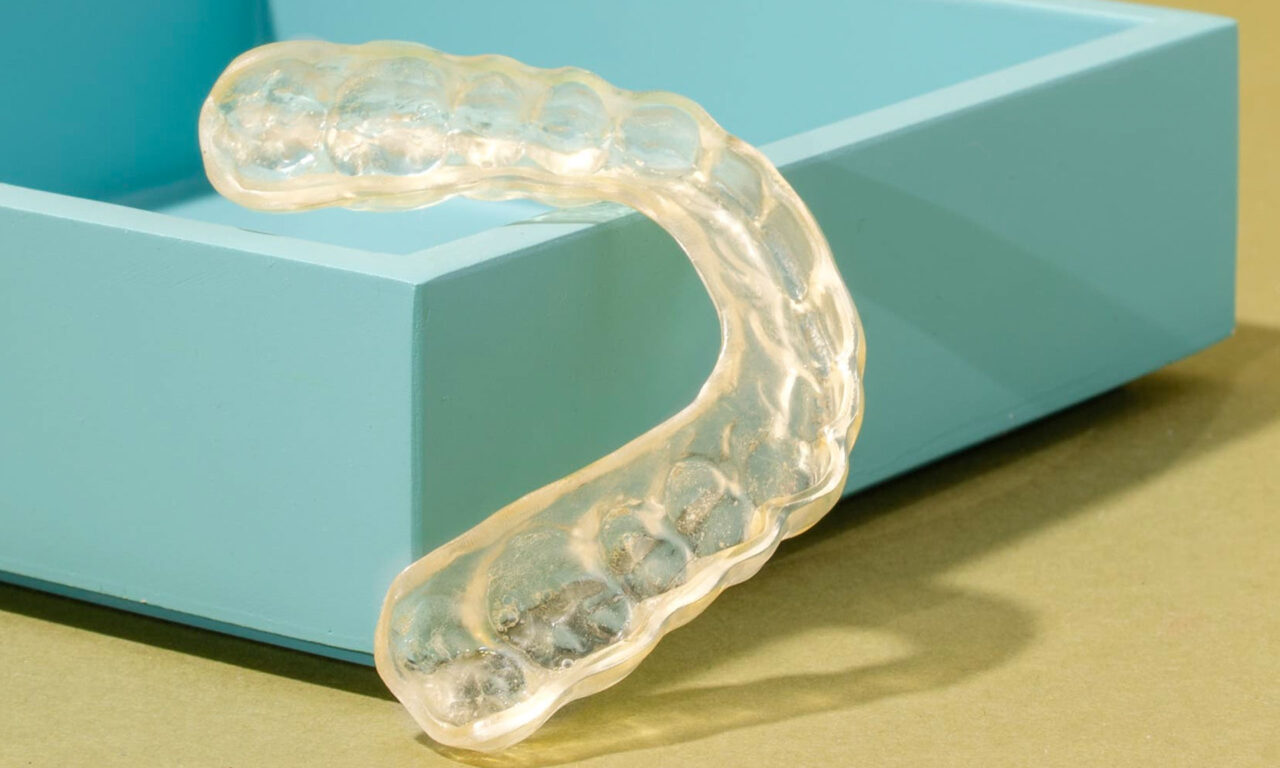
Custom Night Guards in Surrey, BC
Protect Your Teeth From Nighttime Grinding and Clenching
Do you wake up with a sore jaw, headache, tooth sensitivity, or teeth that look increasingly worn down?
You may be experiencing bruxism, a condition involving involuntary clenching or grinding of the teeth. Bruxism can occur while you are asleep, which means many people do not realize they are grinding until a dentist identifies signs of tooth wear or they begin experiencing symptoms.
At The Dental Group at Central City, we provide custom night guards in Surrey, BC, designed to fit your mouth and provide a protective barrier between your upper and lower teeth.
A custom night guard may help reduce the direct contact and forces associated with nighttime grinding and clenching, helping protect teeth from excessive wear and damage.
Our current service page identifies jaw discomfort, headaches, tooth sensitivity, worn enamel, chipped teeth, and fractures as possible signs associated with nighttime bruxism.
If you are looking for a night guard dentist in Surrey, a dental evaluation can help determine whether bruxism may be affecting your teeth and whether a custom appliance is appropriate for you.
What Is Bruxism?
Bruxism refers to repeated clenching or grinding of the teeth.
It can occur while you are awake or asleep. Sleep-related bruxism may be particularly difficult to recognize because you may not be aware of the grinding while it happens.
Over time, repeated pressure and friction can place stress on the teeth and jaw.
Some people experience no obvious symptoms, while others may develop:
- Jaw soreness
- Morning headaches
- Facial muscle discomfort
- Tooth sensitivity
- Flattened or worn teeth
- Chipped teeth
- Cracked or fractured teeth
- Damage to existing dental restorations
- Jaw fatigue
- Increased tooth wear
A dental examination can help identify signs of excessive tooth wear and determine whether a night guard may be beneficial.
What Is a Custom Night Guard?
A custom night guard is an oral appliance designed specifically for your teeth.
Unlike generic over-the-counter mouthguards, a professionally made night guard is designed based on the shape and position of your teeth.
The current service page explains that the practice uses impressions of the teeth to create a custom-fitting night guard designed for comfort and protection.
A properly fitted appliance can provide a physical barrier between the teeth while you sleep.
The goal is to help protect the teeth from direct grinding forces and reduce the potential for excessive wear.
Who May Need a Night Guard?
A night guard may be considered for patients who show signs of bruxism or experience symptoms associated with nighttime clenching and grinding.
You may want to discuss a night guard with your dentist if you:
- Grind your teeth while sleeping
- Frequently wake up with jaw soreness
- Experience morning headaches
- Have unexplained tooth sensitivity
- Notice worn or flattened teeth
- Have chipped teeth
- Have experienced repeated tooth fractures
- Frequently clench your jaw
- Have signs of excessive tooth wear
- Have damaged dental restorations associated with grinding
Some people discover their grinding because a partner hears the sound of their teeth during sleep.
Others learn about it during a routine dental examination when the dentist notices characteristic wear patterns.
Signs You May Be Grinding Your Teeth at Night
Bruxism can produce several different signs.
Morning Jaw Pain
If your jaw feels tired, tight, or sore when you wake up, nighttime clenching may be contributing.
Morning Headaches
Some patients experience headaches after waking, particularly around the temples or forehead.
While headaches have many possible causes, your dentist can evaluate whether tooth grinding may be contributing to your symptoms.
Tooth Sensitivity
Excessive wear can affect the protective outer structure of the tooth and may contribute to sensitivity.
Sensitivity can also have other causes, including cavities, gum recession, worn fillings, or other dental conditions.
If sensitivity persists, a dental examination is recommended.
Flattened or Worn Teeth
Repeated grinding can gradually change the shape of the biting surfaces of teeth.
Your dentist may notice unusual wear during a routine examination.
Chipped or Cracked Teeth
Excessive forces can contribute to chips, cracks, or fractures in susceptible teeth.
If you suddenly damage a tooth or develop significant pain, our Dental Emergencies service provides information about urgent dental care.
Why Choose a Custom Night Guard?
A custom night guard is designed around your individual teeth and bite.
This can provide several potential advantages compared with a generic appliance.
Personalized Fit
The appliance is made for your mouth rather than using a one-size-fits-all design.
Comfortable Wear
A properly fitted appliance may be more comfortable and easier to wear consistently.
Protection From Direct Tooth-to-Tooth Contact
The appliance creates a protective barrier between the upper and lower teeth.
Helps Protect Against Excessive Wear
Reducing direct contact between the teeth may help limit the effects of repeated grinding.
Designed Around Your Dental Needs
Your dentist can consider your existing teeth, restorations, bite, and signs of wear when determining whether a night guard is appropriate.
The current service page emphasizes precise fit, comfort, protection, and long-term oral health as benefits of a custom night guard.
Custom Night Guards vs. Store-Bought Mouthguards
Patients often ask whether they really need a custom night guard or whether an over-the-counter product is sufficient.
Store-bought mouthguards are designed for general use and may not provide the same personalized fit as an appliance made specifically for your teeth.
A custom night guard is designed using your dental anatomy and can be evaluated by a dental professional.
This can be particularly relevant for patients with significant tooth wear, existing dental restorations, an unusual bite, or symptoms associated with bruxism.
The right appliance depends on the individual patient.
Your dentist can assess your teeth and recommend an appropriate option.
How Does a Custom Night Guard Work?
A custom night guard sits over the teeth and creates a protective layer between opposing surfaces.
When you clench or grind, the appliance helps prevent direct tooth-to-tooth contact.
It does not necessarily eliminate the underlying tendency to grind.
Instead, its primary purpose is to help protect the teeth from the mechanical effects of grinding and clenching.
This distinction is important.
A night guard should be viewed as part of a broader approach to managing the effects of bruxism rather than a guarantee that the underlying behavior will stop.
What Happens During a Night Guard Appointment?
The exact process can vary depending on your individual needs, but a custom night guard appointment may include several steps.
Step 1: Dental Evaluation
Your dentist evaluates your teeth, gums, bite, and signs of tooth wear.
Step 2: Discuss Your Symptoms
You may be asked about jaw pain, headaches, tooth sensitivity, grinding, clenching, or other symptoms.
Step 3: Evaluate Existing Dental Work
Crowns, fillings, bridges, and other restorations may be considered when determining whether a night guard is appropriate.
Step 4: Create a Dental Impression or Digital Record
The information needed to create your appliance is obtained from your teeth.
Step 5: Custom Appliance Fabrication
Your night guard is created to fit your individual mouth.
Step 6: Fit and Adjustment
Once the appliance is ready, your dental team can evaluate its fit and make appropriate adjustments.
How Long Should You Wear a Night Guard?
Night guards are generally intended to be worn according to the instructions provided by your dental professional.
For patients with nighttime bruxism, this commonly means wearing the appliance while sleeping.
Do not assume that wearing an appliance continuously during the day is necessary unless your dentist specifically recommends it.
Your individual instructions may depend on your symptoms, dental condition, appliance design, and treatment goals.
How to Care for Your Night Guard
Proper cleaning and storage can help keep your night guard in good condition.
Clean It After Use
Follow your dental professional’s instructions for cleaning the appliance.
Allow It to Dry
Allow the appliance to dry appropriately before storing it to reduce moisture accumulation.
Store It in a Protective Case
Keep your night guard in its case when you are not wearing it.
Avoid Excessive Heat
High temperatures can potentially distort some dental appliances.
Follow the manufacturer’s or dental professional’s care instructions.
Inspect It Regularly
Look for cracks, holes, significant wear, or changes in fit.
If the appliance becomes damaged or uncomfortable, contact your dental office for evaluation.
When Should a Night Guard Be Replaced?
A night guard can gradually wear down, particularly in patients who grind heavily.
You may need to have it evaluated or replaced if:
- The appliance becomes cracked
- Significant wear develops
- The fit changes
- It becomes uncomfortable
- Your bite or dental work changes
- It no longer provides appropriate coverage
- Your dentist recommends a replacement
Do not continue using a damaged appliance without having it evaluated.
Can a Night Guard Protect Damaged Teeth?
A night guard may help protect teeth from additional grinding forces, but it does not repair existing dental damage.
If a tooth has already been weakened, chipped, cracked, or significantly worn, your dentist may recommend restorative treatment.
Depending on the condition of the tooth, treatment may include a Dental Filling or Dental Crown.
The appropriate treatment depends on the location and extent of the damage.
Night Guards and Dental Crowns
Patients who have crowns may still experience bruxism.
Grinding can place forces on both natural teeth and dental restorations.
If you have a crown and continue to grind your teeth, ask your dentist whether a custom night guard may be appropriate.
If an existing crown becomes loose, damaged, or painful, it should be evaluated rather than simply covered with a night guard.
Learn more about Dental Crowns.
Night Guards and Dental Fillings
Patients with fillings can also experience tooth grinding.
Repeated heavy forces may place stress on teeth and restorations.
If you have sensitivity, pain, or a damaged filling, schedule an evaluation.
Our Dental Fillings page provides more information about restorative treatment for cavities and damaged teeth.
Night Guards and Tooth Sensitivity
Tooth sensitivity is not always caused by grinding.
Other potential causes can include:
- Tooth decay
- Gum recession
- Worn enamel
- Cracked teeth
- Damaged fillings
- Exposed tooth surfaces
If you experience persistent sensitivity, your dentist should determine the cause rather than assuming that bruxism is responsible.
A routine Dental Exam & Cleaning can provide an opportunity to evaluate your teeth and identify possible causes.
Night Guards and Jaw Pain
Jaw pain can have multiple causes.
For patients who clench or grind their teeth, repeated muscle activity during sleep may contribute to morning jaw discomfort.
A dental evaluation can help determine whether your symptoms appear consistent with bruxism or whether another issue may need to be investigated.
If you experience sudden severe jaw or dental pain together with swelling, trauma, or significant tooth damage, seek prompt dental evaluation through our Dental Emergencies service.
Can Children and Teenagers Wear Night Guards?
Children and teenagers can have different dental needs because their teeth and jaws are still developing.
A night guard should not automatically be used for every child who grinds their teeth.
If you notice that your child regularly grinds or clenches their teeth, discuss the behavior with a dental professional.
Our Children’s Dentistry service provides age-appropriate dental care for children and teenagers.
Your dentist can determine whether observation, preventive care, an appliance, or another approach is appropriate.
Night Guards and Preventive Dental Care
Night guards work best as part of a comprehensive oral health strategy.
Even patients who wear a night guard should continue with:
- Regular dental examinations
- Professional dental hygiene care
- Daily brushing
- Flossing or interdental cleaning
- Appropriate treatment of cavities
- Monitoring of existing dental restorations
- Evaluation of new dental symptoms
Our Hygiene Care service can help support routine preventive oral health maintenance.
Regular examinations also allow the dental team to monitor changes in tooth wear over time.
What If I Grind My Teeth but Have No Pain?
You can have bruxism without experiencing noticeable pain.
Some patients do not develop symptoms until significant tooth wear or dental damage has occurred.
For this reason, a dental examination can be useful if you know that you grind your teeth, even if you currently feel comfortable.
Your dentist can look for signs such as:
- Flattened biting surfaces
- Small fractures
- Chipped enamel
- Tooth wear
- Sensitivity
- Changes in existing restorations
Early recognition may allow you to discuss protective options before more significant dental damage develops.
Does a Night Guard Stop Teeth Grinding?
A night guard primarily protects the teeth from the effects of grinding and clenching.
It should not be described as a guaranteed way to eliminate bruxism itself.
The underlying causes of bruxism can vary, and management may depend on the individual patient.
Your dentist can discuss your symptoms and help determine an appropriate approach.
Night Guards in Surrey, BC
The Dental Group at Central City provides custom night guards for patients in Surrey, BC, who may be experiencing the effects of teeth grinding or clenching.
Our office is located at:
1117-10153 King George Blvd.
Surrey, BC V3T 2W1
We are located inside Central City Shopping Centre next to the Passport Office.
The practice currently lists Night Guards as part of its General Dentistry services, alongside Exam & Cleaning, Dental Emergencies, Children’s Dentistry, Halitosis, and Hygiene Care.
This structure makes it possible to evaluate bruxism as part of a broader preventive dental care plan and address dental damage when necessary.
Related Dental Services
Patients interested in custom night guards may also benefit from learning about related dental services:
- Dental Exam & Cleaning – routine evaluation and preventive care
- Hygiene Care – professional dental hygiene
- Dental Fillings – treatment for cavities and certain types of tooth damage
- Dental Crowns – restoration of damaged or weakened teeth
- Dental Emergencies – evaluation of urgent dental problems
- Children’s Dentistry – dental care for children and teenagers
These internal links create a logical patient journey from bruxism → dental evaluation → prevention → tooth protection → restorative treatment when needed.
Frequently Asked Questions About Night Guards
What is a night guard used for?
A night guard is an oral appliance designed to protect the teeth from direct contact and forces associated with grinding and clenching, particularly during sleep.
How do I know if I grind my teeth at night?
Possible signs include morning jaw soreness, headaches, tooth sensitivity, flattened teeth, chipped teeth, or unusual tooth wear. A dental professional can also identify signs of bruxism during an examination.
Are custom night guards better than store-bought ones?
A custom night guard is designed specifically for your teeth and can be evaluated by a dental professional for fit and function. The appropriate option depends on your individual dental needs.
Can a night guard stop bruxism?
A night guard primarily protects the teeth from the effects of grinding and clenching. It should not be considered a guaranteed way to eliminate the underlying tendency to grind.
Can a night guard help with jaw pain?
A night guard may help protect the teeth from grinding forces, and some patients may experience less discomfort associated with nighttime clenching. However, jaw pain can have multiple causes and should be evaluated if it persists.
Can grinding damage my teeth?
Yes. Repeated grinding can contribute to tooth wear and may be associated with chips, cracks, fractures, sensitivity, or damage to dental restorations.
How should I clean my night guard?
Follow the specific cleaning and storage instructions provided by your dental professional. Avoid exposing the appliance to excessive heat and store it appropriately when not in use.
How long does a night guard last?
The lifespan varies according to the appliance, how heavily you grind, and how well it is maintained. Your dentist can evaluate the appliance for wear and determine when replacement may be appropriate.
Should I wear a night guard every night?
If your dentist recommends nighttime use, consistent use while sleeping is generally important. Follow the individual instructions provided for your appliance.
Can teenagers use night guards?
Some teenagers may benefit from an oral appliance, but the decision should be based on their age, dental development, symptoms, and individual needs. A dentist should evaluate the situation before recommending a night guard.
Schedule a Night Guard Consultation in Surrey, BC
If you wake up with jaw discomfort, headaches, sensitive teeth, or signs of worn enamel, it may be worth discussing nighttime grinding with a dentist.
A custom night guard can provide a protective barrier between your teeth and may help reduce the effects of repeated clenching and grinding.
At The Dental Group at Central City, we can evaluate your teeth, discuss your symptoms, assess signs of bruxism, and determine whether a custom night guard is appropriate for you.
Contact The Dental Group at Central City to schedule a night guard consultation in Surrey, BC.