
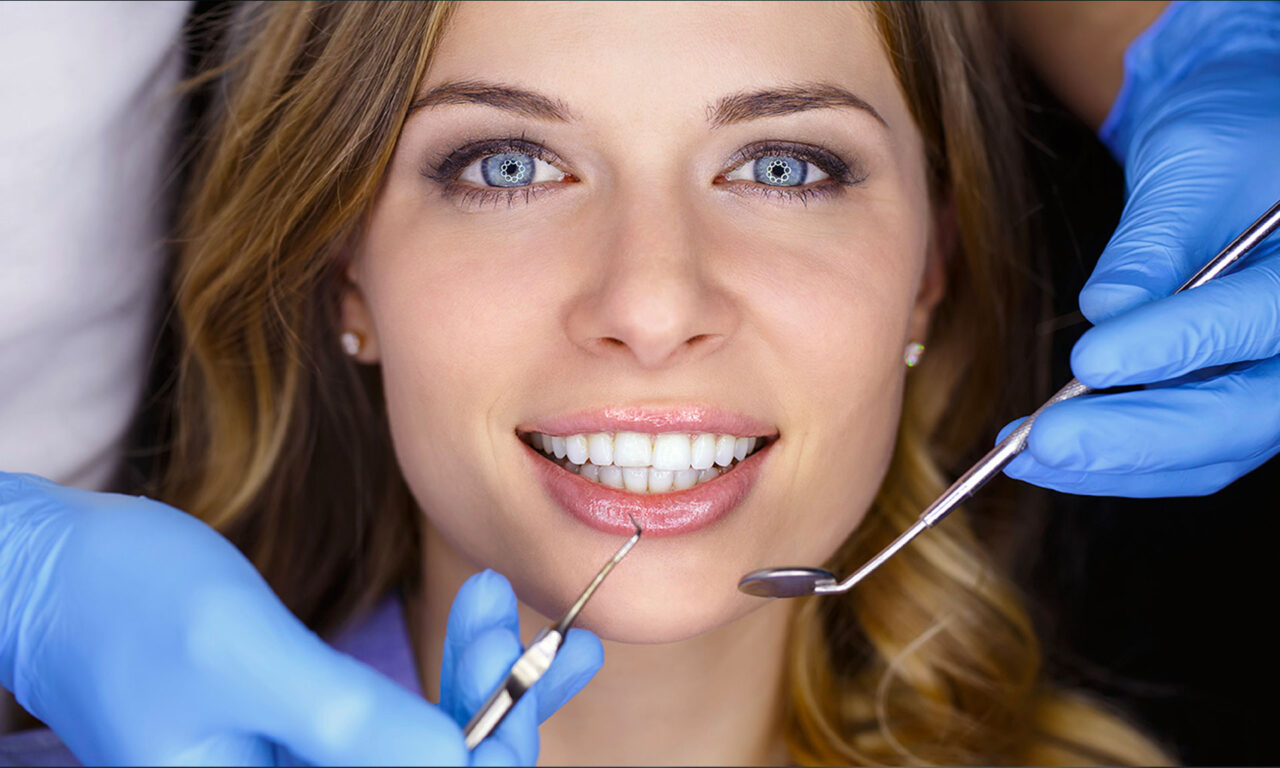
Dental Hygiene Care in Surrey, BC
A dental hygiene visit is a professional cleaning by a dental hygienist that removes plaque and tartar, checks your gum health and teaches you how to keep your teeth and gums clean at home. At The Dental Group at Central City, we provide hygiene care for children, teens, adults and seniors at our office inside Central City Shopping Centre in Surrey, BC. New patients are welcome.
Quick facts
| What’s included | Professional cleaning, plaque and tartar removal, polishing, gum-health check, home-care coaching |
| Who it’s for | Children, teens, adults and seniors |
| New patients | Welcome. Walk-ins accepted during office hours |
| Hours | Mon–Tue 9 AM–5 PM · Wed–Thu 9 AM–8 PM · Fri 9 AM–6 PM · Sat 9 AM–5 PM · Sun 11 AM–4 PM |
| Location | Unit 1117, 10153 King George Blvd., Surrey, BC V3T 2W1, inside Central City Shopping Centre, next to the Passport Office |
| Phone | (604) 585-2345 |
| Coverage | Most dental plans accepted. |
Book a hygiene appointment · Call (604) 585-2345
Hygiene visit vs. dental exam
| Hygiene care (this page) | Dental exam | |
|---|---|---|
| Done by | Dental hygienist | Dentist |
| Main purpose | Remove plaque and tartar, support gum health, teach home care | Check overall health of teeth, gums and bite and diagnose problems |
| Treats cavities? | No. A cleaning can’t repair a cavity | Finds cavities and recommends treatment |
The two work together. Most people have both at the same visit. See dental exam & cleaning.
Plaque vs. tartar
Plaque is a soft, sticky film of bacteria that forms on teeth all the time. When it isn’t removed well, it can contribute to cavities and gum inflammation. Tartar (calculus) is plaque that has hardened. Brushing and flossing can’t remove tartar. It takes a professional cleaning. Tartar along the gumline can irritate gums and makes it harder to keep teeth clean.
What happens at a hygiene appointment
- Quick review. We ask about bleeding gums, sensitivity, discomfort and any changes since your last visit.
- Gum and tooth check. The hygienist looks for plaque, tartar and signs of gum inflammation.
- Professional cleaning. Plaque and tartar are removed from the teeth and along the gumline, including areas that are hard to reach at home.
- Polishing. Polishing removes some surface stains and leaves teeth smooth.
- Home-care coaching. You get advice on brushing, flossing or other between-teeth cleaning, and tongue cleaning that suits your mouth.
- Next steps. We recommend when to come back, and whether you should see the dentist for anything we noticed.
How often do you need a professional cleaning?
There’s no single schedule for everyone. Your hygienist and dentist will recommend one based on your plaque and tartar buildup, gum health, cavity history, smoking or tobacco use, medical and dental history, braces or other appliances, age and other risk factors. Some people do well with routine visits; others benefit from more frequent hygiene care.
Signs you should book a cleaning
Even if your mouth feels fine, regular cleanings help. Book sooner if you notice:
- Visible tartar or plaque along the gumline
- Bleeding, red, swollen or tender gums
- Persistent bad breath or a bad taste (bad breath treatment)
- Stained teeth
- Difficulty cleaning between teeth
- New tooth sensitivity
Gum health and bleeding gums
Plaque along the gumline irritates gums. Redness, swelling, tenderness and bleeding are common signs of gum problems. Bleeding when you brush or floss isn’t something to assume is normal. If it keeps happening, tell your hygienist or dentist. Professional cleaning can help control plaque and tartar, and the dentist can check whether more treatment is needed.
Cavities and cleaning
Plaque bacteria can produce acids from sugars that damage tooth enamel. Cleanings and good home care reduce this risk. They can’t repair a cavity that has already formed, and no cleaning can guarantee you’ll never get one. If decay is found, your dentist may recommend a dental filling.
Is a professional cleaning painful?
Most people find routine cleanings comfortable. You may feel temporary sensitivity if your teeth are sensitive, your gums are inflamed, there is a lot of tartar or your gums have receded. Tell your hygienist if you feel any discomfort and we’ll adjust. Sensitivity that doesn’t go away should be examined; it can have causes that need treatment.
Hygiene care for different patients
- Children: Cleaning, brushing and flossing coaching, and cavity-prevention advice. Parents may need to help younger children brush. See children’s dentistry.
- Teens and patients with braces or aligners: Plaque builds up around brackets, wires and other hard-to-clean areas, so extra attention to cleaning helps.
- Adults: Needs change with age, medications, diet and dental work. Keep up regular cleanings even without symptoms.
- Patients with crowns, bridges, fillings or dentures: Restorations can collect plaque too. Your hygienist can recommend specific cleaning tools for your crowns, bridges or dentures.
Improving your oral hygiene at home
- Brush twice a day with fluoride toothpaste, including along the gumline.
- Clean between your teeth daily with floss or another interdental cleaner.
- Clean your tongue gently.
- Limit frequent sugary snacks and drinks.
- Drink water to support normal saliva flow.
- Keep regular dental and hygiene visits.
When to see the dentist instead
Book an exam if you have persistent tooth pain, swollen or bleeding gums, a loose tooth, a broken tooth, swelling around a tooth, worsening sensitivity, changes in your bite or a loose or damaged restoration. For sudden or severe symptoms, see dental emergencies or call (604) 585-2345. For facial swelling with fever, or trouble breathing or swallowing, go to the nearest hospital emergency department or call 911.
Related services
Exam & cleaning · Bad breath · Children’s dentistry · Dental fillings · Night guards · Dental crowns · Dental bridges · Dental emergencies · All dental services
Frequently asked questions
Do I still need a professional cleaning if I brush every day?
Yes. Brushing and flossing are essential, but tartar can form in places that are hard to clean at home, and only a professional cleaning can remove it.
What’s the difference between plaque and tartar?
Plaque is a soft film of bacteria on your teeth. If it isn’t removed well, it hardens into tartar, which generally needs a professional cleaning to remove.
Can a cleaning remove tartar?
Yes. A hygienist can remove tartar that a toothbrush can’t.
Why do my gums bleed when I brush?
Often because of plaque buildup and gum inflammation, but there can be other causes. If it happens regularly, ask your hygienist or dentist.
Can a cleaning help with bad breath?
It can help when plaque or tartar is contributing to the odor. If bad breath continues, something else may be the cause and you should be examined. See bad breath treatment.
Can a cleaning prevent cavities?
Good home care and regular cleanings help reduce the risk, but they can’t guarantee you’ll never get a cavity, and they can’t repair an existing one. Regular exams are also important.
How often should I have my teeth cleaned?
It varies by patient. Your hygienist or dentist will recommend a schedule based on your gum health, buildup, cavity history and other risk factors.
Can children have professional cleanings?
Yes. The approach depends on the child’s age and oral health. See children’s dentistry.
Are you accepting new patients?
Yes. We welcome new patients and accept walk-ins during office hours. You can also book online or call (604) 585-2345.
Book dental hygiene care in Surrey
Book online · Call (604) 585-2345
Unit 1117, 10153 King George Blvd., Surrey, BC V3T 2W1, inside Central City Shopping Centre, next to the Passport Office.