
Root Canal Treatment in Surrey, BC
If you have persistent tooth pain, sensitivity, swelling, or a dental infection, root canal treatment in Surrey, BC may help save your natural tooth and restore your oral health.
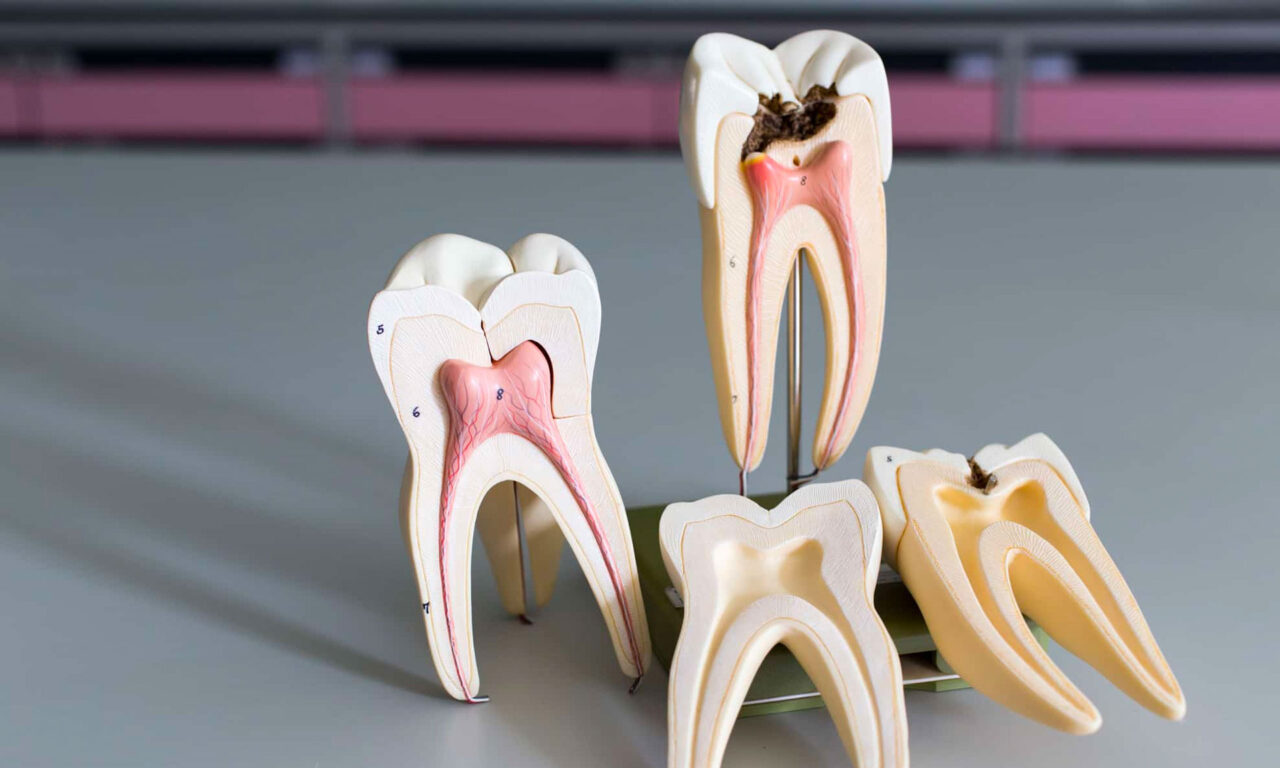
Root canal treatment, also called endodontic treatment, is designed to treat infection or inflammation inside a tooth. Instead of removing the entire tooth, the dentist removes the affected pulp tissue, cleans and disinfects the inside of the tooth, and then seals it to help prevent further infection.
At The Dental Group at Central City, we provide personalized root canal treatment for patients experiencing damaged or infected teeth. Our goal is to help preserve natural teeth whenever appropriate while making treatment as comfortable and understandable as possible.
Our dental office is located at 1117-10153 King George Blvd., Surrey, BC V3T 2W1, inside Central City Shopping Centre next to the Passport Office.
If you are experiencing severe or persistent tooth pain, swelling, or signs of infection, do not wait for the problem to become worse. Schedule a dental examination so the cause of your symptoms can be identified.
What Is Root Canal Treatment?
A root canal is a dental procedure used to treat the inside of a tooth when the pulp becomes inflamed, infected, or damaged.
Inside every natural tooth is a soft area called the dental pulp. It contains nerves and blood vessels. The pulp extends through the center of the tooth and into the root canals.
When bacteria reach this area because of deep decay, a crack, trauma, or another problem, the pulp can become inflamed or infected.
Root canal treatment removes the damaged or infected pulp, cleans the root canal system, and seals the tooth.
The purpose is to treat the source of the problem while allowing you to keep the natural tooth.
Why Might I Need a Root Canal?
A root canal may be recommended when the pulp inside a tooth has become severely inflamed or infected.
Common causes include:
- Deep tooth decay
- A cracked or fractured tooth
- Dental trauma
- Repeated dental procedures on the same tooth
- A damaged or leaking restoration
- Bacteria reaching the pulp
- An infection or abscess around the root
Not every toothache requires a root canal.
Tooth pain can have many causes, including cavities, gum problems, cracked teeth, bite problems, or dental sensitivity. An examination is necessary to determine what is actually causing your symptoms.
Common Signs You May Need Root Canal Treatment
Symptoms can vary from person to person.
Possible signs of an infected or inflamed tooth include:
- Persistent toothache
- Severe tooth pain
- Sensitivity to hot or cold
- Pain when biting or chewing
- Pain that continues after hot or cold exposure
- Swelling around the tooth
- Tender or swollen gums
- A recurring pimple or drainage near the gum
- Darkening or discoloration of a tooth
- An abscess
- Pain that interrupts sleep
Some infected teeth cause surprisingly few symptoms.
That is why regular dental examinations are important even when you do not have significant pain.
If you are experiencing sudden or severe symptoms, our dental emergency services can help you determine whether you need prompt evaluation.
Does a Root Canal Hurt?
One of the most common concerns about root canal treatment is whether the procedure will be painful.
Modern dental techniques and local anesthesia are used to keep the treatment area numb during the procedure.
You may feel pressure or movement while the dentist works on the tooth, but the goal is to make the procedure as comfortable as possible.
After treatment, the tooth may feel tender for a period of time. Your dentist will provide instructions for caring for the tooth after the procedure.
If you are nervous about dental treatment, tell your dental team before your appointment. Discussing your concerns in advance can help your dentist plan a more comfortable experience.
Root Canal vs. Tooth Extraction
Patients with a severely damaged or infected tooth often wonder whether it should be treated with a root canal or removed.
The two treatments have very different goals.
Root canal treatment is intended to preserve the natural tooth.
Tooth extraction removes the tooth when it cannot be predictably restored or when removal is considered the better treatment option.
Whenever a natural tooth can be predictably restored, preserving it may be an important consideration.
However, not every tooth can be saved.
If a tooth is severely fractured, extensively damaged, or otherwise non-restorable, dental extraction may be recommended.
Your dentist can evaluate the tooth and explain whether root canal treatment, extraction, or another option is appropriate.
Root Canal vs. Dental Filling
A filling treats a damaged portion of the tooth after decay or minor damage has affected the outer tooth structure.
A root canal is different because the problem has reached the pulp inside the tooth.
For a cavity that has not reached the pulp, a dental filling may be sufficient.
When decay becomes deep enough to affect the pulp, root canal treatment may be required to address the internal infection or inflammation.
Early treatment of cavities can sometimes help prevent the problem from progressing to this stage.
What Causes an Infected Tooth?
A dental infection can develop when bacteria gain access to the inner part of a tooth.
This can happen through:
Deep Tooth Decay
An untreated cavity can continue progressing deeper into the tooth.
Eventually, bacteria may reach the pulp and cause inflammation or infection.
Cracked Teeth
A crack can create a pathway for bacteria to reach deeper portions of the tooth.
Depending on the location and severity of the crack, treatment may range from restorative care to root canal treatment or extraction.
Dental Trauma
An injury can damage the pulp even when the outside of the tooth does not appear severely broken.
A tooth that has experienced significant trauma should be evaluated by a dentist.
Repeated Dental Procedures
A tooth that has undergone multiple procedures may sometimes develop pulp problems.
Your dentist will consider the tooth’s history when determining the appropriate treatment.
Damaged Restorations
A damaged or leaking filling or other restoration may allow bacteria to reach areas that should remain protected.
How Does Root Canal Treatment Work?
The exact procedure depends on the tooth and the extent of the infection.
A typical root canal treatment may involve several steps.
1. Examination and Diagnosis
Your dentist first examines the tooth and discusses your symptoms.
Dental X-rays or other diagnostic images may be used when appropriate to evaluate the tooth and surrounding structures.
2. Local Anesthesia
The area around the tooth is numbed before treatment.
This helps make the procedure more comfortable.
3. Accessing the Tooth
The dentist creates a carefully planned opening that provides access to the inside of the tooth.
4. Removing the Damaged Pulp
The infected or inflamed pulp tissue is removed from inside the tooth.
5. Cleaning and Disinfecting
The root canals are carefully cleaned and disinfected.
This step is important because bacteria and infected tissue need to be removed before the canals are sealed.
6. Sealing the Root Canals
The cleaned canals are filled and sealed to help prevent bacteria from re-entering.
7. Restoring the Tooth
After root canal treatment, the tooth may require a restoration to protect its remaining structure.
In many cases, a dental crown may be recommended, particularly when the tooth has lost significant structure.
Why Is a Dental Crown Often Recommended After a Root Canal?
A root canal addresses the infected or inflamed pulp, but the remaining tooth may still require protection.
A tooth that has experienced extensive decay, cracks, or previous restorations may have lost significant structure.
A custom dental crown can help restore the tooth’s shape and function while protecting the remaining tooth structure.
Your dentist will determine whether a crown or another restoration is appropriate based on the condition of the tooth.
Learn more about dental crowns in Surrey, BC if your tooth requires additional protection after root canal treatment.
How Long Does Root Canal Treatment Take?
Treatment time varies depending on:
- Which tooth is being treated
- The number and shape of the root canals
- The extent of infection
- The complexity of the tooth
- Whether additional restorative treatment is required
Some root canal treatments can be completed efficiently, while more complicated cases may require additional appointments.
Your dentist can explain the expected treatment sequence after examining your tooth.
Can a Root Canal Save My Natural Tooth?
One of the primary purposes of root canal treatment is to preserve a natural tooth that might otherwise need to be removed.
If the tooth has enough healthy structure and can be predictably restored, root canal treatment may allow you to keep it.
However, the success and long-term outlook depend on factors such as:
- Amount of remaining tooth structure
- Location and severity of the infection
- Condition of the roots
- Presence of cracks
- Supporting bone and gum health
- Quality of the final restoration
- Your ongoing oral hygiene
Your dentist can assess these factors before recommending treatment.
What Happens If I Do Not Treat an Infected Tooth?
A dental infection should not be ignored.
Without appropriate treatment, an infection can potentially worsen and affect surrounding tissues.
Symptoms can sometimes temporarily improve even though the underlying dental problem remains.
Possible signs that require prompt dental attention include:
- Increasing tooth pain
- Swelling
- Facial swelling
- Pain when chewing
- Pus or drainage
- Fever
- A bad taste in the mouth
- Increasing tenderness
If you develop significant facial swelling or difficulty breathing or swallowing, seek immediate medical attention.
For other urgent dental symptoms, contact a dental professional promptly.
Root Canal for a Toothache
A toothache can have many different causes.
A root canal may be appropriate when the pain is caused by inflammation or infection inside the tooth.
However, tooth pain can also result from:
- Cavities
- Cracked teeth
- Gum disease
- Dental trauma
- Teeth grinding
- A damaged filling
- Tooth sensitivity
- Other dental conditions
That is why it is important not to assume that every toothache requires a root canal.
A dental examination can help determine the underlying cause.
Root Canal for Tooth Sensitivity
Sensitivity to hot or cold can occur for many reasons.
Temporary sensitivity may occur with exposed dentin, gum recession, worn enamel, or other conditions.
However, intense or lingering sensitivity can sometimes indicate inflammation or damage involving the pulp.
If your tooth remains painful after exposure to hot or cold, or if the sensitivity is becoming more severe, schedule a dental evaluation.
Root Canal for a Cracked Tooth
A cracked tooth can allow bacteria to enter deeper portions of the tooth.
Whether root canal treatment can help depends heavily on where and how the tooth is cracked.
Some cracked teeth can be restored with root canal treatment and a crown.
Other fractures may extend too deeply to allow predictable restoration.
Your dentist will evaluate the tooth and explain whether it can be saved.
Root Canal and Dental Emergencies
Severe tooth pain, swelling, infection, or a damaged tooth can require urgent dental care.
Root canal treatment may be part of the treatment plan when an emergency involves an infected or inflamed tooth.
Other dental emergencies may require a filling, crown, drainage, extraction, or another procedure.
If you are experiencing an urgent dental problem, visit our emergency dental care page for more information.
What Should I Do Before My Root Canal?
Before treatment, tell your dentist about:
- Current medications
- Medical conditions relevant to dental treatment
- Allergies
- Previous dental problems
- Previous reactions to anesthesia
- Dental anxiety
- Any changes in your symptoms
It is also helpful to explain when the pain began, what makes it worse, and whether hot, cold, chewing, or pressure affects the tooth.
These details can help your dental team understand your symptoms.
What Should I Expect After a Root Canal?
After the procedure, the tooth and surrounding area may feel tender.
Your dentist will provide specific instructions based on your treatment.
General considerations may include:
- Avoid chewing hard foods on the treated tooth until your dentist advises otherwise.
- Follow instructions for your temporary or permanent restoration.
- Maintain regular brushing and interdental cleaning.
- Take medications only as directed.
- Attend any recommended follow-up appointments.
- Contact the dental office if you experience unusual or worsening symptoms.
The final restoration is an important part of protecting the treated tooth.
Can I Eat After a Root Canal?
Your dentist will let you know when it is appropriate to eat after treatment.
If the area is still numb, take care not to bite your cheek, tongue, or lip.
If a temporary restoration has been placed, your dentist may recommend avoiding certain foods until the permanent restoration is completed.
Once your tooth has been fully restored, you can generally return to normal eating according to your dentist’s instructions.
How Do I Care for a Root Canal-Treated Tooth?
A root canal-treated tooth still needs regular dental care.
You should:
- Brush twice daily.
- Clean between your teeth.
- Attend regular dental examinations.
- Maintain professional dental hygiene appointments.
- Follow instructions for your crown or restoration.
- Wear a night guard if recommended.
- Contact your dentist if the tooth becomes painful again.
Our dental exam and cleaning services can help monitor your teeth and restorations over time.
Can a Root Canal Tooth Last a Long Time?
A properly treated and restored tooth can remain functional for many years.
The long-term outlook depends on several factors, including:
- Condition of the tooth before treatment
- Amount of remaining natural tooth
- Quality of root canal treatment
- Quality and timing of the final restoration
- Oral hygiene
- Bite forces
- Teeth grinding or clenching
- Regular dental care
Protecting the tooth after treatment is important.
If you grind your teeth at night, ask your dentist whether a custom night guard may help protect your teeth.
Root Canal and Dental Crowns
Root canal treatment and dental crowns often work together.
The root canal addresses the problem inside the tooth, while the crown may restore and protect the remaining tooth structure.
This is particularly important when a tooth has been weakened by extensive decay, a large restoration, or structural damage.
Your dentist will determine whether a crown is needed and explain the appropriate restoration for your tooth.
Root Canal vs. Extraction and Dental Implant
When a tooth is severely damaged or infected, there may be several possible treatment paths.
Root Canal
The goal is to preserve the natural tooth.
Extraction
The tooth is removed when it cannot be predictably restored or when removal is considered the better treatment option.
Extraction Followed by Implant
If the tooth cannot be saved, a dental implant may be considered to replace the missing tooth.
An implant is not a substitute for root canal treatment when the natural tooth can be predictably saved. It is generally considered after tooth loss.
Your dentist can help you compare these options based on the condition of your tooth.
Root Canal and Bone Grafting
If a tooth must be removed and a dental implant is being considered, bone grafting may sometimes be part of the future treatment plan.
This is different from root canal treatment.
A root canal preserves the natural tooth, while a bone graft may be used to support or preserve jawbone in certain tooth-replacement situations.
Root Canal for Front Teeth
Front teeth can develop pulp infection from decay, cracks, or trauma.
When appropriate, root canal treatment can preserve the natural front tooth.
Because front teeth are visible when you smile, your dentist may also consider the appearance of the final restoration as part of treatment planning.
Root Canal for Back Teeth
Back teeth experience significant chewing forces and may have multiple roots and canals.
When a back tooth requires root canal treatment, restoration is especially important because the tooth may have lost significant structure.
A crown may be recommended to help protect the remaining tooth depending on the individual situation.
Root Canal Treatment for Dental Trauma
A tooth that has experienced trauma can sometimes develop pulp damage.
This can happen even when the visible portion of the tooth does not appear severely damaged.
If you experience a dental injury, schedule an examination as soon as possible.
Your dentist can evaluate the tooth and monitor it for changes that may require treatment.
Can Children Have Root Canal Treatment?
Children may occasionally require treatment of an infected or damaged tooth.
The appropriate treatment depends on whether the affected tooth is a baby tooth or permanent tooth, the child’s age, tooth development, and the specific dental problem.
Our children’s dentistry services provide age-appropriate dental care for children and teenagers.
If your child has persistent tooth pain, swelling, or a damaged tooth, arrange a dental examination promptly.
How Can I Prevent Root Canal Problems?
Not every root canal can be prevented, but good preventive dental care can reduce the risk of extensive tooth damage.
Helpful habits include:
- Brush your teeth twice daily.
- Clean between your teeth regularly.
- Maintain professional dental hygiene appointments.
- Have regular dental examinations.
- Treat cavities early.
- Do not ignore persistent tooth sensitivity or pain.
- Wear appropriate protection during sports.
- Address teeth grinding when recommended.
- Replace damaged fillings or restorations when advised.
Regular preventive care can help identify dental problems before they become more advanced.
Why Choose The Dental Group at Central City for Root Canal Treatment?
If you are looking for a root canal dentist in Surrey, BC, The Dental Group at Central City provides comprehensive dental care with a focus on preserving natural teeth whenever appropriate.
Focus on Tooth Preservation
Root canal treatment is designed to treat the inside of an infected or inflamed tooth while maintaining the natural tooth whenever it can be predictably restored.
Comprehensive Treatment Planning
Root canal patients may also need restorative treatment such as a crown. Our practice provides a broad range of dental services, allowing treatment to be planned around your overall oral health.
Comfort-Focused Care
We understand that patients may be anxious about root canal treatment. Our team focuses on communication and patient comfort throughout treatment.
Convenient Surrey Location
Our office is located inside Central City Shopping Centre at 1117-10153 King George Blvd., Surrey, BC.
Root Canal Treatment in Surrey, BC
The Dental Group at Central City provides root canal treatment for patients with teeth affected by infection, inflammation, deep decay, trauma, or other conditions involving the dental pulp.
Our office is located at:
The Dental Group at Central City
1117-10153 King George Blvd.
Surrey, BC V3T 2W1
Inside Central City Shopping Centre next to the Passport Office
If you have persistent tooth pain, sensitivity, swelling, or another concerning dental symptom, schedule an examination so the cause can be identified.
The sooner a dental problem is evaluated, the more treatment options may be available.
Frequently Asked Questions About Root Canal Treatment
What is a root canal?
A root canal is a dental procedure used to remove infected or inflamed pulp from inside a tooth, clean the root canal system, and seal it so the natural tooth can be preserved when possible.
How do I know if I need a root canal?
Persistent tooth pain, lingering sensitivity to hot or cold, pain when biting, swelling, or an abscess may indicate a problem involving the pulp. However, only a dental examination can determine whether root canal treatment is appropriate.
Does a root canal hurt?
The tooth is numbed before treatment. You may feel pressure during the procedure, and some tenderness may occur afterward. Your dentist will provide instructions for managing the recovery period.
Is a root canal better than an extraction?
When a tooth can be predictably restored, root canal treatment may allow you to preserve your natural tooth. If the tooth cannot be saved, extraction may be necessary.
How long does a root canal take?
Treatment time varies depending on the tooth, number of canals, infection, and complexity. Your dentist can explain the expected treatment schedule after evaluating the tooth.
Do I need a crown after a root canal?
A crown may be recommended when a tooth has lost significant structure and requires additional protection. The need for a crown depends on the individual tooth and its remaining structure.
Can a root canal save a cracked tooth?
It depends on the location and severity of the crack. Some cracked teeth can be treated with root canal therapy and restored, while fractures extending too deeply may make the tooth non-restorable.
Can an infected tooth be saved?
In some cases, yes. Root canal treatment may allow an infected tooth to be preserved if enough healthy tooth structure remains and the tooth can be predictably restored.
What happens if I do not treat an infected tooth?
An untreated dental infection may worsen and affect surrounding tissues. Pain may temporarily change or decrease without resolving the underlying problem. Prompt dental evaluation is recommended.
Can I eat after a root canal?
Your dentist will tell you when it is safe to eat. If your mouth is still numb, avoid chewing until normal sensation returns to reduce the risk of biting your cheek or tongue.
Can a root canal-treated tooth get infected again?
A previously treated tooth can develop problems again in some circumstances. If the tooth becomes painful, swollen, or otherwise changes after treatment, contact your dentist for evaluation.
Can children have root canal treatment?
Children may sometimes need treatment for an infected or damaged tooth. The appropriate procedure depends on the child’s age, the type of tooth, its development, and the specific condition.
Should I go to an emergency dentist for severe tooth pain?
Severe tooth pain, swelling, infection, or dental trauma should be evaluated promptly. The appropriate treatment may involve root canal therapy, a filling, a crown, extraction, or another procedure.
What is the difference between a root canal and an extraction?
A root canal treats the inside of a tooth while preserving it. An extraction removes the tooth. Your dentist can determine which option is appropriate based on whether the tooth can be predictably restored.
Schedule a Root Canal Consultation in Surrey
Persistent tooth pain should not be ignored.
If your tooth is infected or the pulp is significantly inflamed, early evaluation may provide an opportunity to preserve the natural tooth with root canal treatment.
The Dental Group at Central City can examine your tooth, explain the cause of your symptoms, and discuss treatment options.
Looking for root canal treatment in Surrey, BC? Contact The Dental Group at Central City to schedule an evaluation and learn whether root canal treatment may help save your natural tooth.