
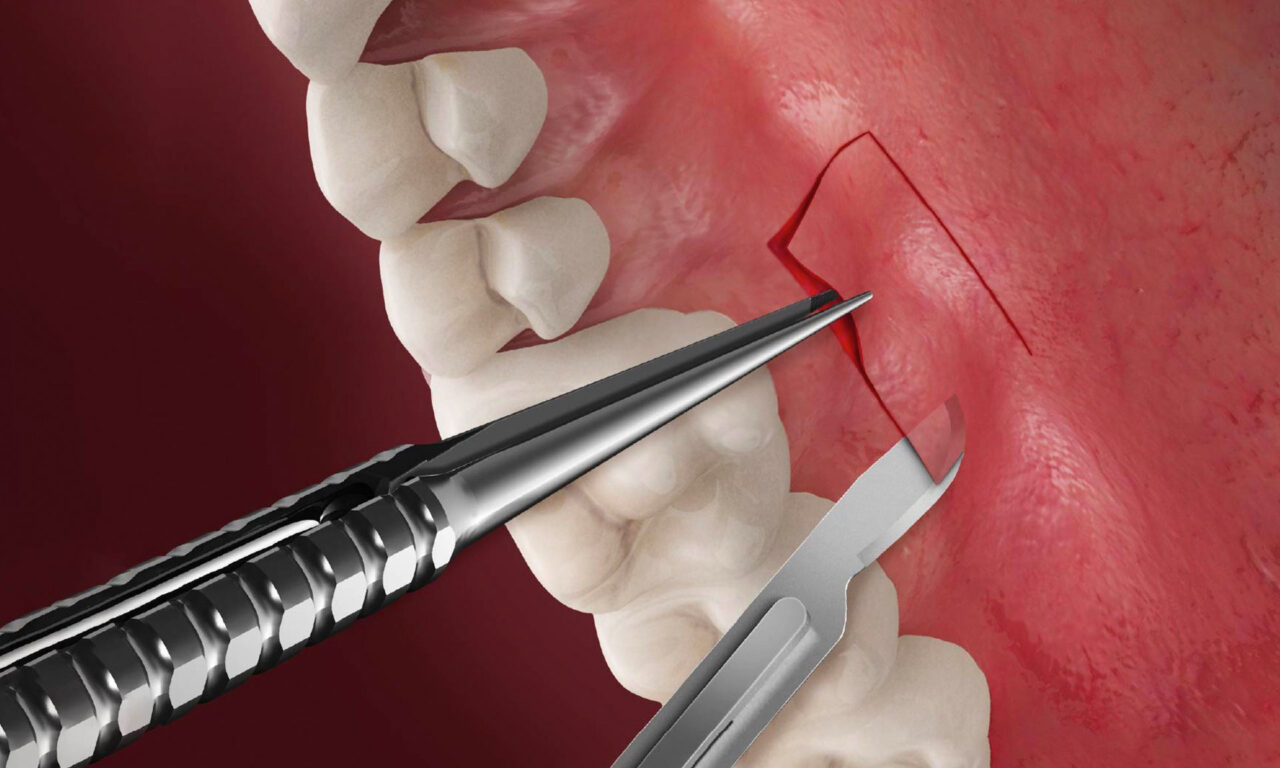
Soft Tissue Graft in Surrey, BC
If your gums are receding and exposing more of your teeth or tooth roots, a soft tissue graft in Surrey, BC may help restore gum tissue and protect vulnerable areas of your teeth.
Receding gums can affect more than the appearance of your smile. When gum tissue pulls away from the teeth, previously protected tooth roots may become exposed, which can contribute to sensitivity, root-surface decay, and difficulty maintaining the area.
At The Dental Group at Central City, we evaluate the condition of your gums and teeth to determine why gum recession is occurring and whether soft tissue grafting may be an appropriate treatment option.
Our dental office is conveniently located at 1117-10153 King George Blvd., Surrey, BC V3T 2W1, inside Central City Shopping Centre.
If you have noticed receding gums, exposed tooth roots, increased tooth sensitivity, or changes in the appearance of your gumline, schedule an evaluation to discuss your options.
What Is a Soft Tissue Graft?
A soft tissue graft is a dental procedure used to add or restore gum tissue in an area where the gums have receded or additional tissue is needed.
During the procedure, healthy tissue may be transferred to the area affected by gum recession. Depending on your individual needs, your dentist may recommend a free gingival graft or a connective tissue graft.
The goals of treatment may include:
- Adding gum tissue to an area affected by recession
- Protecting exposed tooth roots
- Improving the appearance of an uneven gumline
- Helping reduce sensitivity associated with exposed roots
- Creating a healthier tissue environment around certain teeth
- Supporting long-term oral health
The appropriate technique depends on the location and severity of the gum recession and your overall oral health.
What Is Gum Recession?
Gum recession occurs when the gum tissue surrounding a tooth moves away from the tooth, exposing more of the tooth surface.
In some cases, you may notice that a tooth appears longer than it used to. You may also notice sensitivity when consuming hot, cold, sweet, or acidic foods and drinks.
Other possible signs include:
- Visible tooth roots
- Increased tooth sensitivity
- Teeth appearing longer
- Uneven gumlines
- Notches near the gumline
- Difficulty cleaning certain areas
- Changes in the appearance of your smile
Gum recession can develop gradually, so some patients may not notice it until a dental professional identifies the changes during an examination.
Why Is Healthy Gum Tissue Important?
Healthy gums play an important role in supporting and protecting your teeth.
The gum tissue helps protect areas of the tooth that are normally covered and contributes to the overall health of the tissues surrounding your teeth.
When recession exposes the tooth root, the exposed surface may be more vulnerable to sensitivity and decay because root surfaces are different from the harder enamel that normally covers the visible portion of the tooth.
For this reason, gum recession should not be considered only a cosmetic concern.
An evaluation can help determine whether the recession should simply be monitored, treated conservatively, or considered for a gum grafting procedure.
What Causes Receding Gums?
Gum recession can have multiple causes. Identifying the underlying contributing factors is important because treating the recession without addressing those factors may not provide the best long-term result.
Potential contributing factors include:
Gum Disease
Periodontal disease can damage the tissues and structures supporting the teeth.
Advanced gum disease may contribute to gum recession and loss of supporting tissues.
Maintaining regular professional hygiene care is an important part of managing plaque and tartar and supporting healthy gums.
Aggressive Tooth Brushing
Using excessive force when brushing can irritate or wear away gum tissue over time.
A soft-bristled toothbrush and gentle brushing technique may help reduce unnecessary trauma to the gumline.
Teeth Grinding and Clenching
Repeated grinding or clenching can place additional forces on the teeth and surrounding tissues.
Patients who grind their teeth may benefit from evaluation for a custom night guard when appropriate.
Tobacco Use
Smoking and tobacco use can negatively affect oral health and may contribute to gum problems.
If you are concerned about receding gums, tell your dental team about your oral health habits so they can consider all relevant risk factors.
Tooth Position
Teeth that are positioned outside the ideal thickness of the surrounding bone and gum tissue may sometimes be more susceptible to recession.
This can be particularly relevant when considering orthodontic treatment or changes in tooth position.
Genetics and Natural Gum Thickness
Some people naturally have thinner gum tissue or may be more predisposed to gum recession.
Your dentist can evaluate the thickness and condition of your gum tissue during an examination.
When Should You Consider a Soft Tissue Graft?
Not every case of gum recession requires a graft.
Your dentist may consider soft tissue grafting when there is:
- Significant gum recession
- Exposed tooth root
- Persistent sensitivity
- Thin or insufficient gum tissue
- Concern about protecting the exposed root
- Difficulty maintaining the area
- Aesthetic concern about an uneven gumline
- A need for additional soft tissue around a tooth
- A treatment plan involving an implant or other dental restoration
The appropriate approach depends on the individual patient.
A consultation allows your dentist to evaluate the recession and determine whether treatment is necessary.
Can Gum Recession Be Reversed Naturally?
Once gum tissue has receded, it generally does not simply grow back on its own.
However, early identification of the underlying cause can help prevent the condition from progressing.
For example, if aggressive brushing contributes to recession, improving brushing technique may help protect the area from additional trauma.
If gum disease is involved, professional periodontal and hygiene care may be necessary.
In cases where additional tissue is needed, a soft tissue graft may be considered.
Types of Soft Tissue Grafts
Different grafting approaches may be used depending on the patient’s needs.
Free Gingival Graft
A free gingival graft involves taking a small amount of healthy tissue, commonly from the palate, and placing it in the area where additional gum tissue is needed.
The graft is secured in place while the area heals.
This technique may be considered when increasing the amount of keratinized gum tissue is an important treatment goal.
Connective Tissue Graft
A connective tissue graft uses tissue from beneath the surface layer of the palate.
The tissue is placed over or around the area affected by gum recession and secured as part of the grafting procedure.
This approach may be considered when root coverage and improvement of soft tissue thickness are treatment goals.
Your dentist will determine which technique is appropriate based on your gum condition and treatment objectives.
What Happens During a Soft Tissue Graft?
The exact procedure depends on the type of graft and the location being treated.
A typical treatment process may include:
1. Comprehensive Evaluation
Your dentist examines the affected tooth and surrounding gum tissue.
The evaluation may consider:
- Amount of gum recession
- Gum tissue thickness
- Root exposure
- Oral hygiene
- Gum health
- Tooth position
- Bite forces
- Existing dental restorations
2. Treatment Planning
Your dentist discusses whether a soft tissue graft is appropriate and explains the recommended technique.
If an underlying issue such as gum disease or excessive brushing is contributing to the recession, that factor should also be addressed.
3. Local Anesthesia
The treatment area is numbed before the procedure to help keep you comfortable.
4. Tissue Preparation
The area affected by recession is carefully prepared to receive the graft.
5. Graft Placement
The selected tissue is positioned in the area requiring additional gum tissue.
6. Sutures and Healing
The graft is secured in place, and the area is allowed to heal.
Your dentist will provide specific post-operative instructions to support healing.
Is Soft Tissue Grafting Painful?
It is understandable to feel nervous about gum surgery.
The treatment area is anesthetized before the procedure. Some tenderness, swelling, or sensitivity may occur during the healing period.
The level of discomfort varies depending on the extent of treatment and the individual patient.
Your dental team will provide instructions for caring for the treated area and explain what you can expect during recovery.
If you have concerns about dental treatment or anxiety about the procedure, discuss them with your dental team before treatment.
Soft Tissue Graft Recovery
Healing is an important part of the treatment process.
Your dentist will provide personalized instructions, but you may be advised to:
- Avoid disturbing the treated area
- Follow your dentist’s oral hygiene instructions
- Eat foods recommended during the early healing period
- Avoid hard or sharp foods around the graft
- Avoid smoking or tobacco use
- Avoid putting unnecessary pressure on the surgical site
- Take medications only as directed
- Attend recommended follow-up appointments
Do not brush or floss directly over the surgical area unless your dentist specifically instructs you to do so.
What Can I Eat After Gum Grafting?
Your dentist may recommend softer foods while the treated area is healing.
Depending on your individual procedure, options may include:
- Yogurt
- Eggs
- Soft pasta
- Mashed foods
- Smooth foods
- Soft cooked vegetables
- Other foods recommended by your dental team
Avoid foods that are hard, crunchy, sharp, or likely to irritate the surgical area.
Your dentist will tell you when it is appropriate to gradually return to your normal diet.
How Long Does Soft Tissue Graft Healing Take?
Healing varies depending on:
- The type of graft
- The number of areas treated
- The location of the graft
- Your oral health
- Your individual healing response
- How closely post-operative instructions are followed
Your dental team will monitor your progress and let you know when the treated area is healing appropriately.
It is important not to judge the final appearance of the gum tissue too early in the healing process.
Can a Soft Tissue Graft Cover an Exposed Tooth Root?
One of the potential goals of soft tissue grafting is to improve the amount of gum tissue around an area with recession and, in appropriate cases, provide root coverage.
The amount of coverage that can be achieved depends on several factors, including the severity and type of recession, the surrounding bone and tissue, and the condition of the tooth.
Your dentist can discuss the expected goals of treatment after examining your gums.
Can Gum Grafting Help Tooth Sensitivity?
Exposed tooth roots can contribute to sensitivity because root surfaces do not have the same enamel protection as the crowns of teeth.
By adding gum tissue and addressing the underlying cause of recession, a soft tissue graft may help protect the area and may reduce sensitivity in appropriate cases.
However, tooth sensitivity can have many causes.
Sensitivity may also be related to cavities, worn enamel, cracked teeth, grinding, or other dental conditions.
If you have persistent sensitivity, an examination is important before assuming gum recession is the only cause.
Soft Tissue Graft vs. Gum Disease Treatment
A soft tissue graft does not replace treatment for active gum disease.
If periodontal disease is contributing to gum recession, the underlying gum condition should be evaluated and managed as part of your overall treatment plan.
Regular professional cleaning and appropriate periodontal care can help maintain gum health.
Our dental exam and cleaning services allow your dental team to monitor your teeth and gums and identify changes over time.
Soft Tissue Graft vs. Bone Graft
Although both procedures use the word “graft,” they address different dental problems.
A soft tissue graft focuses on gum tissue and may be used for gum recession, exposed tooth roots, or areas requiring additional soft tissue.
A bone graft focuses on the jawbone and may be recommended when additional bone volume is needed, particularly as part of a dental implant treatment plan.
Learn more about bone grafting in Surrey, BC if your dentist has discussed insufficient jawbone support.
Soft Tissue Graft and Dental Implants
Healthy soft tissue can be an important consideration when planning and maintaining dental implants.
Patients who have thin or deficient gum tissue around an implant may sometimes require additional soft tissue treatment.
However, not every implant patient needs a soft tissue graft.
If you are considering replacing a missing tooth, our dental implant services can help you understand the overall treatment process and factors that may affect implant planning.
Soft Tissue Graft After Tooth Extraction
After an extraction, the gum tissue around the area may need to heal and stabilize.
If there is insufficient soft tissue or another concern about the gum architecture, your dentist may evaluate whether additional tissue treatment is appropriate.
Extraction and gum grafting are different procedures, and they are not automatically performed together.
If you need a tooth removed, learn more about our dental extraction services.
Soft Tissue Graft and Crown Lengthening
Soft tissue grafting and crown lengthening address different gum-related concerns.
Soft tissue grafting generally adds or reinforces gum tissue in an area where more tissue is needed.
Crown lengthening may involve reshaping or repositioning gum tissue, and sometimes supporting bone, to expose more of a tooth.
Crown lengthening may be recommended for certain restorative or cosmetic situations.
Learn more about crown lengthening in Surrey, BC if you have been told that more tooth structure needs to be exposed.
Can Receding Gums Affect My Smile?
Yes.
Gum recession can change the proportions of your smile by making certain teeth appear longer or creating an uneven gumline.
For some patients, improving the gumline can be both a functional and aesthetic consideration.
However, gum grafting should not be viewed only as a cosmetic procedure. Protecting vulnerable tooth roots and maintaining healthy gum tissue are important parts of treatment planning.
What Happens If Receding Gums Are Left Untreated?
The appropriate response to gum recession depends on its cause and severity.
Some mild cases may simply require monitoring and improved oral hygiene habits.
Other cases may continue to progress and contribute to:
- Increased tooth sensitivity
- Root-surface decay
- Difficulty cleaning exposed areas
- Greater vulnerability of exposed root surfaces
- Changes in the appearance of the smile
- Further gum and supporting tissue problems
Early evaluation can help determine whether the recession is stable or requires active treatment.
How Can I Prevent Gum Recession?
Not every case of gum recession can be prevented, but several habits can support healthier gums.
Use Gentle Brushing Technique
Avoid aggressive pressure when brushing.
A soft-bristled toothbrush and gentle technique can help reduce unnecessary trauma to the gumline.
Maintain Regular Dental Hygiene
Professional dental cleanings can help manage plaque and tartar.
Our hygiene care services are designed to support ongoing oral health.
Treat Gum Disease Early
Bleeding gums, swelling, persistent bad breath, or gum changes should not be ignored.
Early evaluation can help identify periodontal problems before they become more advanced.
Protect Teeth From Excessive Grinding
If you grind or clench your teeth, ask your dentist whether a custom night guard may be appropriate.
Have Regular Dental Examinations
Routine examinations allow your dentist to monitor changes in gum levels, tooth sensitivity, and other oral health concerns.
Who Is a Good Candidate for Soft Tissue Grafting?
A patient may be considered for soft tissue grafting when there is:
- Localized gum recession
- Exposed tooth root
- Thin gum tissue
- Persistent sensitivity related to exposed root surfaces
- Concern about further recession
- Aesthetic concern about gumline irregularity
- A need for additional soft tissue around a tooth or restoration
However, the procedure is not appropriate for every patient.
Your dentist will evaluate the cause and severity of recession, overall gum health, oral hygiene, tooth position, and treatment goals before recommending grafting.
Soft Tissue Graft for Front Teeth
Gum recession affecting front teeth can be particularly noticeable because these teeth are visible when you smile.
In appropriate cases, soft tissue grafting may help improve the amount of gum tissue and the appearance of the gumline.
Your dentist can assess whether grafting is appropriate based on the condition of the tooth and surrounding tissues.
Soft Tissue Graft for Back Teeth
Recession can also occur around back teeth.
Although these areas may be less visible, exposed roots can still contribute to sensitivity and difficulty maintaining the area.
Your dentist can determine whether monitoring, preventive care, periodontal treatment, or soft tissue grafting is appropriate.
Soft Tissue Graft and Cosmetic Dentistry
Healthy gum contours contribute to the overall appearance of a smile.
If you are considering cosmetic treatments such as porcelain veneers or teeth whitening, your dentist may also consider the health and appearance of your gums as part of the overall smile plan.
Gum treatment and cosmetic dentistry should be coordinated when both are needed.
Why Choose The Dental Group at Central City?
If you are looking for a soft tissue graft in Surrey, BC, The Dental Group at Central City provides personalized dental evaluation and treatment planning for patients with gum recession and other gum-related concerns.
Our approach focuses on:
Comprehensive Evaluation
We evaluate the teeth, gums, and surrounding tissues before recommending treatment.
Personalized Treatment Planning
The appropriate grafting technique depends on your individual condition and treatment goals.
Focus on Gum Health
Treatment planning considers both the appearance and health of your gum tissue.
Long-Term Oral Health
We consider how gum health relates to tooth sensitivity, tooth protection, restorations, implants, and your overall dental care.
Our office is conveniently located inside Central City Shopping Centre in Surrey.
Soft Tissue Graft in Surrey, BC
The Dental Group at Central City provides soft tissue graft treatment for patients experiencing gum recession, exposed tooth roots, thin gum tissue, and related concerns.
Our office is located at:
The Dental Group at Central City
1117-10153 King George Blvd.
Surrey, BC V3T 2W1
Inside Central City Shopping Centre next to the Passport Office
If you have noticed receding gums or exposed tooth roots, an evaluation can help determine what is causing the problem and whether soft tissue grafting may be appropriate.
Frequently Asked Questions About Soft Tissue Grafts
What is a soft tissue graft?
A soft tissue graft is a dental procedure that adds gum tissue to an area where additional tissue is needed, such as around a tooth affected by gum recession.
Why do gums recede?
Gum recession can be associated with gum disease, aggressive brushing, tooth position, teeth grinding, tobacco use, genetics, and other factors.
Can receding gums grow back?
Receded gum tissue generally does not naturally grow back. Depending on the cause and severity, preventive care, periodontal treatment, monitoring, or soft tissue grafting may be considered.
Does gum grafting cover exposed tooth roots?
In appropriate cases, soft tissue grafting may improve root coverage. The expected result depends on the severity and type of recession and the condition of the surrounding tissues.
Is gum grafting painful?
The area is numbed before treatment. Some tenderness or swelling may occur during healing. Your dental team will provide specific post-operative instructions.
How long does a gum graft take to heal?
Healing varies depending on the graft technique, treatment area, and individual patient. Your dentist will monitor the area and provide personalized guidance.
Can gum grafting fix tooth sensitivity?
If sensitivity is related to exposed tooth roots, improving gum coverage may help protect the area and reduce sensitivity in appropriate cases. However, sensitivity can have other causes that should be evaluated.
Is a soft tissue graft the same as a bone graft?
No. A soft tissue graft adds or reinforces gum tissue, while a bone graft addresses insufficient or lost jawbone.
Do dental implants always require a soft tissue graft?
No. Not every implant patient needs gum grafting. Your dentist will evaluate the soft tissue and bone around the planned implant.
Can I have a soft tissue graft if I have gum disease?
Active gum disease may need to be addressed before certain grafting procedures. Your dentist will evaluate your periodontal health and recommend an appropriate treatment sequence.
Can a soft tissue graft improve the appearance of my smile?
It may improve the appearance of an uneven gumline in appropriate cases. The primary treatment goals may also include protecting exposed roots and improving gum tissue health.
How do I know if I need a gum graft?
If you notice receding gums, exposed tooth roots, persistent sensitivity, or changes in your gumline, schedule a dental examination. Your dentist can determine whether grafting or another treatment is appropriate.
Schedule a Soft Tissue Graft Consultation in Surrey
Receding gums should not be ignored, particularly when tooth roots become exposed or sensitivity is increasing.
The Dental Group at Central City can evaluate your gum health, identify possible contributing factors, and explain whether soft tissue grafting may be appropriate for your situation.
Looking for a soft tissue graft in Surrey, BC? Contact The Dental Group at Central City to schedule an evaluation and discuss your gum treatment options.