
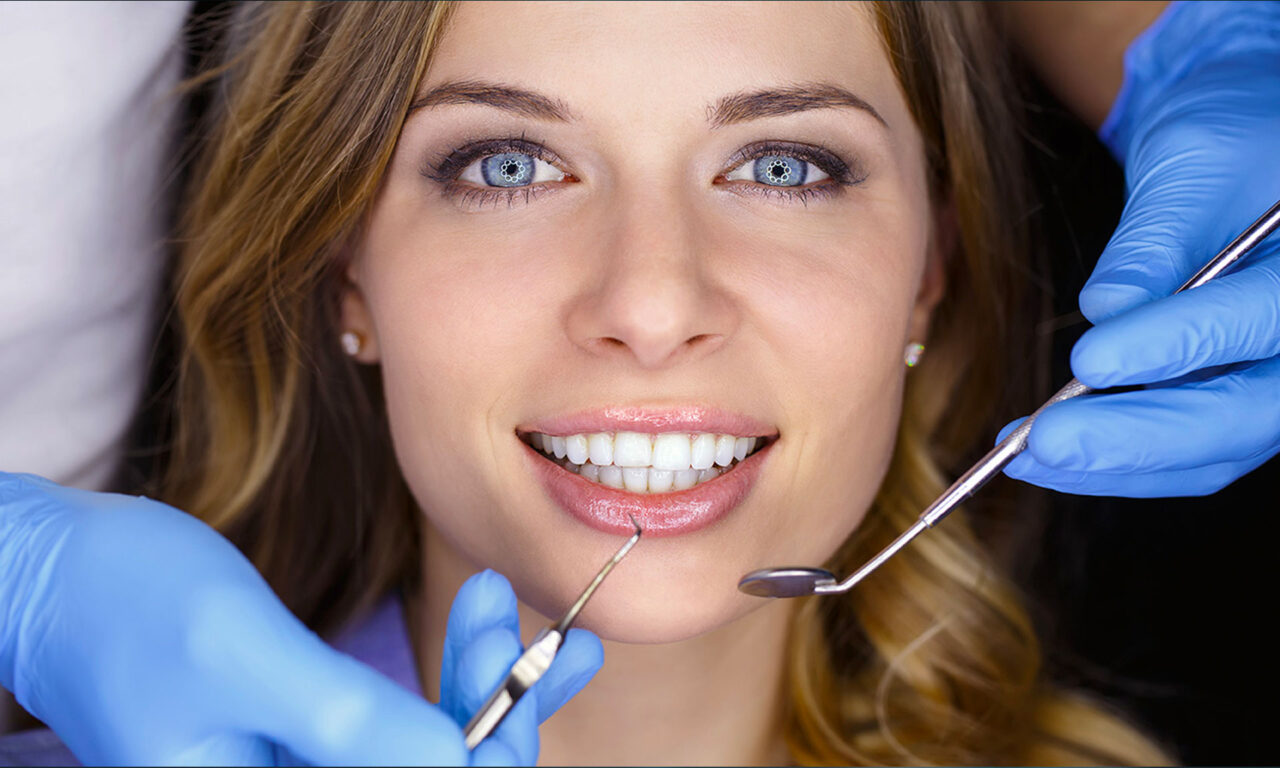
Dental Hygiene Care in Surrey, BC
Professional Dental Hygiene Care for a Healthier Smile
Good oral hygiene starts at home, but regular professional dental hygiene care is an important part of maintaining healthy teeth and gums.
At The Dental Group at Central City, we provide dental hygiene care in Surrey, BC, to help patients maintain cleaner teeth, healthier gums, and better overall oral health. Professional hygiene visits can help remove plaque and tartar that may be difficult to eliminate with regular brushing and flossing alone.
Our dental hygiene services are designed for children, teenagers, adults, and seniors. Depending on your individual oral health needs, a hygiene appointment may include professional teeth cleaning, oral hygiene education, gum health assessment, and recommendations for maintaining your smile between dental visits.
Our office is located at 1117-10153 King George Blvd., Surrey, BC V3T 2W1, inside Central City Shopping Centre next to the Passport Office.
If you are looking for professional dental cleaning in Surrey, our team can help you establish a preventive dental care routine based on your oral health needs.
What Is Dental Hygiene Care?
Dental hygiene care focuses on preventing and managing common oral health problems through professional cleaning, preventive care, and improved daily oral hygiene.
Even with consistent brushing and flossing, plaque can remain in areas that are difficult to reach. Over time, plaque can harden into tartar, which generally cannot be removed effectively with a regular toothbrush.
Professional dental hygiene care can help remove accumulated plaque and tartar while allowing the dental team to monitor the condition of your teeth and gums.
Regular hygiene appointments can be an important part of a broader preventive dental care plan.
Why Is Professional Teeth Cleaning Important?
Plaque is a sticky layer of bacteria that forms continuously on teeth.
When plaque is not adequately removed, it can contribute to tooth decay and gum inflammation. If plaque remains on the teeth for an extended period, it can harden into tartar.
Brushing and flossing are essential, but professional cleaning provides an additional level of care.
Professional dental cleaning can help:
- Remove plaque and tartar
- Support healthier gums
- Reduce the buildup of bacteria
- Help prevent cavities
- Support fresher breath
- Maintain cleaner-looking teeth
- Identify potential oral health concerns
- Reinforce effective brushing and flossing techniques
The practice’s current service structure describes hygiene care as an important part of maintaining oral health and emphasizes that brushing helps eliminate plaque that can contribute to gum infection and cavities.
Dental Hygiene Care vs. Dental Exam and Cleaning
Dental hygiene care and a dental exam are closely related, but they serve different purposes.
A professional dental cleaning focuses primarily on removing plaque, tartar, and surface buildup.
A dental examination allows the dentist to evaluate the overall condition of your teeth, gums, bite, and oral structures and identify potential problems.
For this reason, patients should generally think of hygiene care as one part of a comprehensive preventive dental program rather than a replacement for regular dental examinations.
You can learn more about our Dental Exam & Cleaning services and how routine examinations can help identify dental problems early.
What Happens During a Dental Hygiene Appointment?
The exact process depends on your oral health and individual needs, but a professional hygiene appointment may include several steps.
1. Review of Your Oral Health
Your dental professional may ask about changes in your oral health, sensitivity, bleeding gums, discomfort, or other concerns.
2. Examination of Your Teeth and Gums
Your gums and teeth may be assessed for signs of inflammation, plaque accumulation, tartar, or other concerns.
3. Professional Teeth Cleaning
Plaque and tartar are carefully removed from areas that may be difficult to clean effectively at home.
4. Polishing
Teeth may be polished to help remove certain surface stains and leave the teeth feeling cleaner and smoother.
5. Oral Hygiene Education
Your dental professional can provide guidance on brushing, flossing, interdental cleaning, and other home-care techniques.
6. Recommendations for Ongoing Care
Depending on your oral health, you may receive recommendations about your next hygiene visit or whether additional dental evaluation is appropriate.
How Often Should You Get Your Teeth Professionally Cleaned?
There is no single cleaning schedule that is appropriate for every patient.
Some people may have relatively low oral health risk and require routine preventive visits, while others may benefit from more frequent professional hygiene care.
Your recommended schedule can depend on factors such as:
- Plaque and tartar buildup
- Gum health
- History of cavities
- Existing periodontal concerns
- Oral hygiene habits
- Smoking or tobacco exposure
- Medical and dental history
- Orthodontic appliances
- Age
- Individual risk factors
Rather than choosing a schedule based solely on a fixed number of months, discuss your individual needs with your dental team.
Signs You May Need a Professional Dental Cleaning
Regular hygiene appointments are useful even when your mouth feels healthy.
However, certain signs may indicate that it is especially important to schedule a dental visit.
These may include:
- Visible tartar buildup
- Bleeding gums
- Red or swollen gums
- Persistent bad breath
- Bad taste in the mouth
- Plaque buildup around the gumline
- Stained or discolored teeth
- Difficulty cleaning between teeth
- Tooth sensitivity
- Changes in gum appearance
If you experience persistent bad breath, our Halitosis (Bad Breath) service provides additional information about possible oral causes and treatment.
Dental Hygiene Care and Gum Health
Healthy gums are an essential part of a healthy smile.
Plaque accumulation around the gumline can irritate the gums and contribute to inflammation. Common signs of gum problems can include redness, swelling, tenderness, or bleeding.
Professional hygiene care can help control plaque and tartar buildup, while regular dental examinations allow your dentist to monitor your gum health.
If you frequently notice blood when brushing or flossing, do not simply assume that bleeding is normal.
Talk to your dental professional about the cause.
Early evaluation can help identify potential gum problems and determine whether additional treatment is necessary.
Dental Hygiene Care and Cavity Prevention
Plaque contains bacteria that can contribute to tooth decay.
When plaque remains on teeth, bacteria can interact with sugars and produce acids that may damage tooth enamel.
Good home care and professional dental hygiene visits can help reduce plaque buildup and support cavity prevention.
However, professional cleaning cannot repair an existing cavity.
If decay has already developed, your dentist may recommend restorative treatment such as a Dental Filling.
This is why preventive hygiene care and regular dental examinations work together.
Dental Hygiene Care and Bad Breath
Persistent bad breath can sometimes be associated with plaque, tartar, gum disease, bacteria on the tongue, or other oral health conditions.
A professional cleaning may help when plaque or tartar buildup is contributing to unpleasant breath.
However, if bad breath continues after improving oral hygiene and receiving professional cleaning, additional evaluation may be appropriate.
Our Bad Breath Treatment page provides more information about possible causes of chronic halitosis.
Dental Hygiene for Children
Children benefit from learning good oral hygiene habits early.
Professional dental hygiene visits can help children become familiar with dental care while allowing the dental team to monitor developing teeth and gums.
Children’s hygiene care may include:
- Professional cleaning
- Oral hygiene instruction
- Brushing guidance
- Flossing guidance
- Cavity prevention education
- Monitoring plaque buildup
- Age-appropriate preventive recommendations
Parents may need to help younger children brush effectively until they develop the coordination and consistency required to do it independently.
Learn more about our Children’s Dentistry services.
Dental Hygiene for Teenagers
Teenagers may face unique oral hygiene challenges.
Changes in diet, school schedules, sports, orthodontic treatment, and daily routines can make consistent oral care more difficult.
Regular professional hygiene visits can reinforce good habits and help teenagers understand how their everyday choices affect their teeth and gums.
Patients wearing orthodontic appliances may also need additional attention to plaque control around brackets, wires, or other areas that are difficult to clean.
Dental Hygiene for Adults
Adults should continue professional preventive dental care even when they have no obvious symptoms.
Oral health needs can change over time due to age, medications, diet, lifestyle, dental restorations, and other factors.
Regular hygiene care can help patients maintain their teeth and gums while giving the dental team an opportunity to identify changes that may require further evaluation.
If you have crowns, bridges, fillings, dentures, or other dental restorations, maintaining good oral hygiene is also important for protecting the surrounding teeth and gums.
Dental Hygiene for Patients With Dental Restorations
Patients with dental restorations should continue regular preventive care.
Dental crowns, bridges, fillings, and dentures can still accumulate plaque and require appropriate cleaning.
Depending on your restoration, your dental professional may recommend specific brushing or interdental cleaning techniques.
Our restorative services include:
Keeping the natural teeth and surrounding tissues clean can help support the long-term health of your smile.
How to Improve Your Oral Hygiene at Home
Professional cleaning is only one part of maintaining good oral health.
Daily home care remains essential.
Brush Twice a Day
Brush your teeth regularly using an appropriate toothbrush and fluoride toothpaste.
Spend enough time cleaning all tooth surfaces, including the areas along the gumline.
Clean Between Your Teeth
A toothbrush cannot effectively clean every surface between your teeth.
Floss or use an appropriate interdental cleaning method to remove plaque and food debris from these areas.
Clean Your Tongue
The tongue can collect bacteria and food particles. Gentle tongue cleaning may help support fresher breath and overall oral hygiene.
Limit Frequent Sugary Foods and Drinks
Frequent exposure to sugar can increase the risk of tooth decay.
Choose balanced meals and limit unnecessary snacking between meals.
Drink Water
Staying hydrated can support normal saliva production and help keep the mouth comfortable.
Maintain Regular Dental Visits
Home care and professional dental care work together.
Regular examinations and hygiene appointments can help identify concerns before they become more complicated.
What Happens If Tartar Is Not Removed?
Tartar is hardened dental plaque.
Unlike soft plaque, tartar generally cannot be removed effectively with ordinary brushing.
If tartar remains along the gumline, it can contribute to gum irritation and make maintaining good oral hygiene more difficult.
Professional dental cleaning can remove accumulated tartar and provide a cleaner surface that is easier to maintain at home.
Regular hygiene care is therefore particularly useful for patients who develop tartar quickly.
Is Professional Teeth Cleaning Painful?
Many patients tolerate routine professional cleaning comfortably.
However, some people may experience temporary sensitivity, particularly if they have sensitive teeth, inflamed gums, significant tartar buildup, or areas of gum recession.
Tell your dental professional if you experience sensitivity or discomfort during cleaning.
The team can adjust the approach and provide guidance based on your individual needs.
Dental Hygiene Care for Patients With Sensitive Teeth
Tooth sensitivity can have several possible causes, including exposed tooth surfaces, gum recession, worn enamel, cavities, or other dental conditions.
If your teeth are sensitive during brushing or professional cleaning, let your dental team know.
Sensitivity should not automatically be assumed to be harmless.
A dental examination may help determine whether there is an underlying cause that needs attention.
When Should You Schedule a Dental Exam?
Professional hygiene care should work together with routine dental examinations.
Schedule an examination if you notice:
- Persistent tooth pain
- Swollen gums
- Bleeding gums
- A loose tooth
- Persistent bad breath
- A broken tooth
- Tooth sensitivity that is worsening
- Swelling around a tooth
- Changes in your bite
- A dental restoration that feels loose or damaged
For sudden or severe symptoms, our Dental Emergencies service provides information about urgent dental concerns.
Preventive Dental Care in Surrey, BC
Preventive dentistry focuses on maintaining oral health instead of waiting for problems to become painful or complicated.
A comprehensive preventive dental routine may include:
- Regular dental examinations
- Professional dental hygiene care
- Daily brushing
- Flossing or interdental cleaning
- Healthy dietary habits
- Fluoride use when appropriate
- Early treatment of cavities
- Monitoring gum health
- Preventive care for children
Our Dental Exam & Cleaning service can be an important part of this preventive approach.
Dental Hygiene Care Near Central City in Surrey
The Dental Group at Central City provides dental care for individuals and families in Surrey, BC, and surrounding communities.
Our office is located at:
1117-10153 King George Blvd.
Surrey, BC V3T 2W1
We are located inside Central City Shopping Centre next to the Passport Office.
The practice offers a broad range of general, restorative, cosmetic, and surgical dental services. Hygiene Care is currently included within the site’s General Dentistry category.
This allows patients to receive preventive hygiene care while having access to additional dental services when a problem is identified.
Related Dental Services
Maintaining healthy teeth and gums often involves more than one dental service.
Depending on your needs, you may also want to explore:
- Dental Exam & Cleaning – comprehensive preventive dental visits
- Halitosis / Bad Breath – evaluation of persistent bad breath
- Children’s Dentistry – dental care for children and teenagers
- Dental Fillings – treatment for cavities and tooth decay
- Dental Emergencies – urgent dental evaluation
- Night Guards – protection for patients who grind or clench their teeth
- Dental Crowns – restoration of damaged or weakened teeth
- Dental Bridges – replacement of certain missing teeth
Frequently Asked Questions About Dental Hygiene Care
How often should I get a professional dental cleaning?
The appropriate frequency depends on your oral health, gum health, plaque and tartar buildup, cavity risk, and other individual factors. Your dental team can recommend a schedule based on your needs.
Is professional dental cleaning necessary if I brush every day?
Yes. Brushing and flossing are essential, but tartar can develop in areas that are difficult to clean at home. Professional hygiene care complements your daily oral hygiene routine.
Can dental cleaning remove tartar?
Professional dental hygiene appointments can remove accumulated tartar that cannot normally be removed with a toothbrush.
Can dental cleaning help with bad breath?
It can help when plaque, tartar, or certain oral hygiene issues are contributing to unpleasant breath. Persistent bad breath may have other causes and may require additional evaluation.
Why do my gums bleed when I brush?
Bleeding gums can be associated with plaque buildup, gum inflammation, or other oral health concerns. If bleeding happens regularly, discuss it with your dental professional.
Can children get professional dental cleanings?
Yes. Professional hygiene care can be part of appropriate preventive dental care for children. The exact approach depends on the child’s age and oral health.
What is the difference between plaque and tartar?
Plaque is a soft bacterial film that forms on teeth. When plaque is not adequately removed, it can harden into tartar, which generally requires professional cleaning for removal.
Can dental hygiene care prevent cavities?
Good oral hygiene and professional preventive care can help reduce the risk of cavities, but no cleaning can guarantee that cavities will never develop. Regular examinations are also important.
Schedule Dental Hygiene Care in Surrey, BC
Healthy teeth and gums depend on consistent care at home and regular professional dental visits.
If you have visible tartar, bleeding gums, persistent bad breath, or simply want to maintain a healthier smile, professional dental hygiene care can be an important part of your preventive dental routine.
The Dental Group at Central City provides professional dental hygiene care in Surrey, BC, for children, teenagers, adults, and seniors.
Contact The Dental Group at Central City to schedule your dental hygiene appointment in Surrey, BC.