
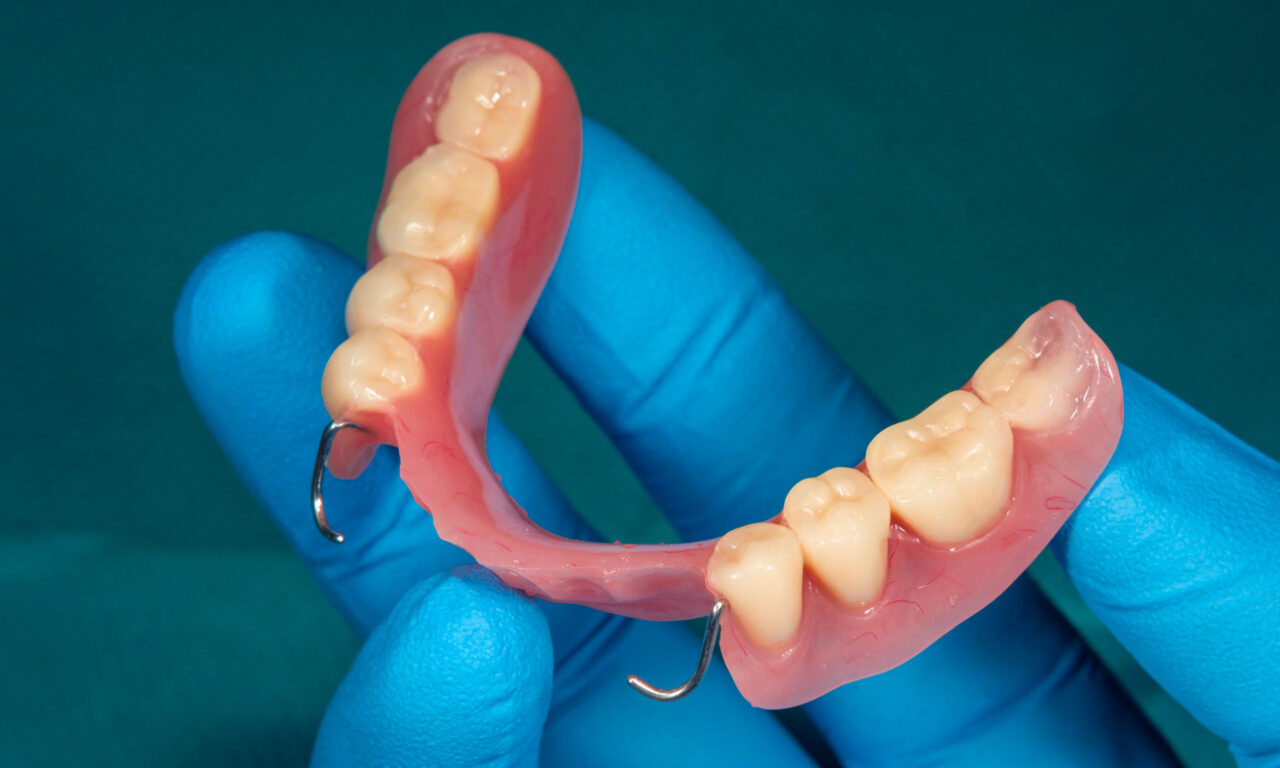
Dentures in Surrey, BC
Dentures are removable replacement teeth for people who are missing several teeth or all of their teeth in the upper or lower jaw. At The Dental Group at Central City, our dentists examine your remaining teeth, gums, bite and bone, then explain which type of denture, or which alternative such as a bridge or implants, fits your needs. We’re inside Central City Shopping Centre in Surrey, BC, and welcome new patients.
Quick facts
| Types | Complete (full) dentures and partial dentures. |
| Who it’s for | Adults missing several teeth or a full arch. Not only older adults |
| Cost | Depends on the type of denture, number of teeth, materials, design and any other treatment needed. |
| Hours | Mon–Tue 9 AM–5 PM · Wed–Thu 9 AM–8 PM · Fri 9 AM–6 PM · Sat 9 AM–5 PM · Sun 11 AM–4 PM |
| Location | Unit 1117, 10153 King George Blvd., Surrey, BC V3T 2W1, inside Central City Shopping Centre, next to the Passport Office |
| Phone | (604) 585-2345 |
Book a new patient exam · Call (604) 585-2345
Types of dentures
| Type | What it is | Used when |
|---|---|---|
| Complete (full) denture | Replaces all the teeth in the upper or lower arch | All teeth in that arch are missing or need to be removed |
| Partial denture | Replaces some missing teeth and uses remaining natural teeth for support | Several teeth are missing but healthy natural teeth remain |
| Implant-supported denture | A denture that gets extra hold and stability from dental implants | Your dentist finds enough bone and good oral health for implants. |
Your dentist will recommend a type based on how many teeth are missing, the condition of remaining teeth and gums, your bite, your bone and your goals. See also dental implants.
Which option for which situation?
| If you’re missing… | Options your dentist may discuss |
|---|---|
| One tooth | A dental bridge or an implant. A traditional denture is generally not the first choice for a single tooth |
| Several teeth | A partial denture, a bridge or implants, depending on where the gaps are |
| A full arch | A complete denture or an implant-supported denture |
Dentures are removable. Bridges are fixed. Implants are placed in the jawbone. No option suits everyone. Your dentist will explain the pros and limits of each for your situation.
What dentures can do
- Replace several missing teeth in one appliance
- Help restore chewing, though eating can feel different from natural teeth
- Support speech and pronunciation
- Support the lips and cheeks and restore a fuller smile
- Help you feel more comfortable smiling, eating and talking
The denture process
- Exam. Your dentist checks your remaining teeth, gums, jaw, bite and existing dental work. Teeth that need treatment first are discussed. See exam & cleaning.
- Treatment planning. We discuss complete, partial or implant-supported options, and whether any extractions or other treatment come first.
- Impressions or digital records. We capture the shape of your mouth so the denture fits well. See impressionless dentistry.
- Design. Tooth shape, size, color and position are chosen to suit your face and look natural.
- Fitting and adjustments. We check fit, bite, comfort and appearance, and adjust as needed. You may need follow-up visits.
Getting used to new dentures
Expect an adjustment period. You may notice:
- You’re aware of the denture in your mouth
- Mild gum soreness or rubbing
- Changes in speech
- More saliva at first
- Some foods are harder to eat
Starting with softer foods and gradually adding other textures can help. Tell us about sore spots, rubbing, looseness or trouble chewing. We can check the fit and adjust it. Don’t wait for it to “settle on its own.”
Caring for your dentures
Follow your dentist’s instructions. In general:
- Clean dentures daily, and clean your gums, tongue and any remaining teeth
- Handle them carefully over a folded towel or a sink of water in case you drop them
- Remove them when your dentist recommends, which is often at night, so your gums can rest
- When they’re out, keep them in water or a denture-soaking solution as directed. Don’t let them dry out
- Use cleaners your dentist suggests. Regular toothpaste can be too abrasive, and hot water can warp some dentures
- Keep regular dental visits, even if you have no natural teeth, so we can check your gums, oral tissues, bite and how your dentures fit
Healthy gums are the foundation for removable dentures. If you have persistent irritation, sores, pain or swelling, see us. If you still have natural teeth, they can still get cavities and gum disease, so keep up hygiene visits.
Loose, uncomfortable or broken dentures
- Loose: Your gums and the bone underneath change over time, so a denture that fit well can loosen. Book an exam instead of relying on temporary fixes. We’ll check whether it needs an adjustment, repair, replacement or another approach.
- Broken: Don’t attempt permanent repairs yourself. Keep all the pieces and call us at (604) 585-2345.
- Gum sores or swelling: Don’t ignore them. Call us. For facial swelling with fever, or trouble breathing or swallowing, go to the nearest hospital emergency department or call 911.
How long do dentures last? It varies with daily use, cleaning, changes in your gums and jawbone, wear, accidental damage and your overall oral health. Even if your dentures look fine, regular visits matter because your mouth changes over time.
Dentures after tooth extraction
If teeth are too damaged to be restored predictably, your dentist may recommend extraction before dentures. The timing depends on your situation and the type of denture. If you still have natural teeth, your dentist may suggest treating them first with a filling or crown, to give a partial denture a healthier foundation.
Related services
Dental bridges · Dental implants · Dental extractions · Dental crowns · Dental fillings · Hygiene care · Impressionless dentistry · All dental services
Frequently asked questions
How much do dentures cost in Surrey, BC?
Cost depends on the type of denture, the number of teeth, materials, design and any extra treatment needed. We give an individual estimate after an exam.
Are dentures comfortable?
Modern dentures are designed for comfort, but it takes time to adjust. If you have lasting discomfort or rubbing, we can check the fit and adjust it.
Are dentures removable?
Traditional complete and partial dentures are removable. Some implant-supported dentures have extra retention, depending on the design.
Can I sleep with my dentures in?
Follow your dentist’s instructions. Many people are advised to remove removable dentures at set times, often at night, to let gum tissues rest.
Can I eat normally with dentures?
Dentures are designed to restore chewing, but eating feels different from natural teeth. Most people need an adjustment period and start with softer foods.
What’s the difference between partial and complete dentures?
Partial dentures replace some missing teeth when natural teeth remain. Complete dentures replace all the teeth in an upper or lower arch.
Are dentures better than implants?
They’re different options. The right choice depends on the number of missing teeth, bone, gum health, your goals and your circumstances.
Can dentures replace one missing tooth?
A traditional denture is generally not the first choice for a single tooth. A bridge or implant may be considered.
What should I do if my denture breaks?
Don’t repair it yourself. Keep the pieces and call us so we can discuss repair or replacement.
Are you accepting new patients?
Yes. We welcome new patients and accept walk-ins during office hours. You can also book online or call (604) 585-2345.
Book a denture consultation in Surrey
Living with missing teeth can make eating, speaking and smiling harder. A consultation can help you understand your options.
Book online · Call (604) 585-2345
Unit 1117, 10153 King George Blvd., Surrey, BC V3T 2W1, inside Central City Shopping Centre, next to the Passport Office.