
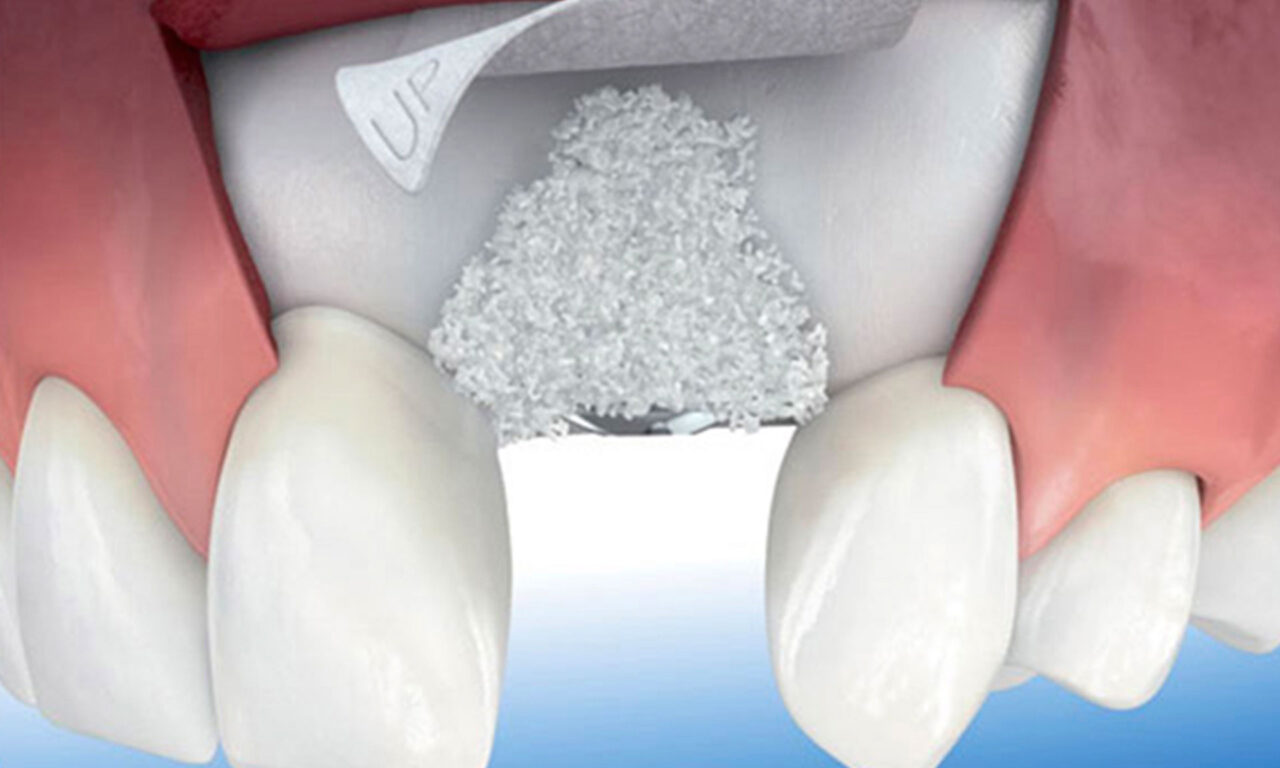
Bone Grafts in Surrey, BC
When a tooth has been missing for a long time or the jawbone has changed after tooth loss, there may not be enough bone available to support a dental implant.
In these situations, bone grafting in Surrey, BC may be recommended as part of a tooth-replacement treatment plan.
At The Dental Group at Central City, we evaluate your teeth, gums, jawbone, and overall oral health to determine whether bone grafting may be appropriate before or as part of dental implant treatment.
Our dental office is conveniently located inside The Central City Shopping Centre at:
1117-10153 King George Blvd.
Surrey, BC V3T 2W1
What Is a Dental Bone Graft?
A dental bone graft is a procedure used to add or preserve bone in an area of the jaw where additional bone support may be needed.
Bone grafting may be considered when the jawbone has insufficient volume or has changed following tooth loss.
One of the most common reasons for considering a dental bone graft is preparation for a future dental implant.
A dental implant requires an appropriate foundation within the jaw. If there is not enough bone in the planned implant area, your dentist may recommend bone grafting as part of the overall treatment plan.
Bone Grafting in Surrey, BC
If you are searching for bone grafting in Surrey, BC, the first step is an evaluation of your individual dental needs.
Your dentist may assess:
- The location of the missing or damaged tooth
- The amount of available jawbone
- The condition of your gums
- The health of surrounding teeth
- The timing of tooth loss or extraction
- Your plans for replacing the missing tooth
- Whether an implant is being considered
Bone grafting is not necessary for every patient who receives a dental implant.
The procedure is recommended only when your dentist determines that additional bone support may be beneficial or necessary for the planned treatment.
Why Might You Need a Bone Graft?
A number of situations can contribute to reduced bone volume.
These may include:
- Previous tooth loss
- Long-term absence of a tooth
- Bone changes following an extraction
- Certain types of jawbone defects
- Trauma or injury
- Other conditions affecting the jawbone
When a tooth is missing, the surrounding bone may gradually change because it is no longer supporting a natural tooth root.
If you are considering replacing a missing tooth with a dental implant, your dentist may evaluate the bone in that area before developing your treatment plan.
Learn more about dental implants:
https://thedentalgroupatcentralcity.com/dental-implants/
Bone Grafts and Dental Implants
Bone grafting is closely associated with dental implant planning, but the two procedures are not the same.
A dental implant replaces the root portion of a missing tooth and provides a foundation for a restoration.
A bone graft may be used when additional bone support is needed for the planned implant treatment.
Some patients have sufficient bone and do not require grafting.
Other patients may need a bone graft before an implant can be placed.
The appropriate sequence depends on your individual anatomy, oral health, and treatment plan.
Do All Dental Implants Require Bone Grafting?
No.
Many patients have enough available bone to support an implant without additional grafting.
Your dentist will evaluate the implant site before recommending a bone graft.
If there is adequate bone in the appropriate location, implant placement may be possible without a separate grafting procedure.
If additional support is needed, bone grafting may be incorporated into the treatment plan.
Bone Grafting After Tooth Extraction
An extraction can sometimes be followed by changes in the bone surrounding the former tooth.
If you know that you may want to replace the tooth with a dental implant, it is helpful to discuss tooth replacement options before the extraction whenever possible.
Depending on your circumstances, your dentist may discuss bone preservation or grafting at the time of extraction or during a later stage of treatment.
Learn more about dental extractions:
https://thedentalgroupatcentralcity.com/dental-extractions/
Why Does Bone Change After Tooth Loss?
Natural teeth provide stimulation to the surrounding jawbone through normal function.
When a tooth is lost, the bone that previously supported the tooth may gradually change.
The amount and rate of bone change vary between individuals.
This is one reason why the timing of tooth replacement can be an important consideration.
If you have recently lost a tooth or need an extraction, speak with your dentist about your future tooth-replacement options.
Bone Graft Materials
Different types of materials may be used for dental bone grafting.
The appropriate material depends on the procedure, treatment location, available bone, and individual treatment plan.
Your dental team can explain the material being recommended and why it is appropriate for your situation.
The most important consideration is not simply the type of graft material but whether the procedure is appropriate for your specific dental needs.
Types of Bone Grafting Procedures
The exact type of grafting procedure depends on the location and amount of bone deficiency.
Socket Preservation
When a tooth is extracted, your dentist may consider a procedure designed to help preserve the shape and volume of the extraction site.
This may be particularly relevant when future implant treatment is being considered.
Ridge Augmentation
When the jawbone has lost width or volume, a ridge augmentation may be considered to improve the available bone in the area.
The procedure is customized according to the amount and location of bone deficiency.
Localized Bone Grafting
A localized graft may be appropriate when additional bone is needed in a specific area for planned dental treatment.
Your dentist can determine the most appropriate approach after evaluating the treatment site.
Do You Need a Bone Graft Before or After an Implant?
The timing depends on the individual case.
Some patients may receive bone grafting before implant placement so the area can heal before the implant is placed.
In other situations, grafting may be performed at the same time as implant placement.
The appropriate sequence depends on:
- The amount of available bone
- The location of the implant
- The condition of the extraction site
- The type of implant treatment
- Your individual healing needs
Your dentist can explain the recommended sequence during treatment planning.
What Happens During a Bone Graft Procedure?
The exact procedure varies depending on the type and location of the graft.
Generally, the treatment involves:
1. Evaluation
Your dentist examines the treatment area and determines whether bone grafting is appropriate.
2. Treatment Planning
The type of graft and treatment sequence are determined according to your individual needs.
3. Preparing the Treatment Area
The treatment site is prepared for the grafting procedure.
4. Placement of Graft Material
The selected graft material is placed in the area where additional bone support is needed.
5. Healing
The area is allowed to heal according to your dentist’s instructions.
6. Follow-Up
Your dental team monitors healing and determines when the next stage of treatment can proceed.
If the graft is being performed to prepare for an implant, implant placement may occur after the area has sufficiently healed, depending on the individual treatment plan.
How Long Does Bone Grafting Take?
The procedure itself may be completed during a dental appointment, but the overall treatment timeline includes the healing period.
Healing time varies according to:
- The size and location of the graft
- The type of procedure
- Your individual healing response
- Whether an implant is planned
- Your overall oral health
If an implant is planned after grafting, your dentist will determine when the site is ready for the next stage.
Is Bone Grafting Painful?
Bone grafting is performed using appropriate local anesthesia or other forms of anesthesia when indicated.
You may experience some discomfort, swelling, or tenderness after the procedure.
Your dental team will provide instructions for caring for the treatment area and managing the recovery period.
If you experience severe, worsening, or unexpected symptoms, contact your dental office for guidance.
What Can You Expect After Bone Grafting?
Recovery varies from patient to patient.
Your dentist may provide instructions regarding:
- Eating and drinking
- Brushing around the treatment area
- Cleaning between teeth
- Physical activity
- Medication
- Follow-up appointments
- Protecting the treatment site
Following post-operative instructions carefully can help support appropriate healing.
Avoid disturbing the treatment area and contact your dental office if you have concerns during recovery.
Eating After a Bone Graft
Your dentist will provide individualized instructions about what and when to eat following treatment.
Immediately after the procedure, you may be advised to avoid disturbing the treatment site.
As healing progresses, your dental team can tell you when you can return to your normal diet.
Do not chew directly on a surgical area unless your dentist specifically tells you that it is safe to do so.
Oral Hygiene After Bone Grafting
Maintaining oral hygiene remains important during the healing period, but you should follow the specific cleaning instructions provided by your dentist.
You may need to modify how you brush or clean around the treatment area temporarily.
Once healing has progressed, maintaining regular dental hygiene is important for your overall oral health and future implant treatment.
Learn more about professional hygiene care:
https://thedentalgroupatcentralcity.com/hygiene-care/
Bone Grafting and Gum Health
Healthy gums are an important part of successful dental treatment.
Before proceeding with implant-related treatment, your dentist may evaluate your gum health and recommend treatment if there is active inflammation or another periodontal concern.
Regular professional dental hygiene appointments can help support healthy teeth and gums.
https://thedentalgroupatcentralcity.com/exam-cleaning/
Bone Grafting for Dental Implant Preparation
If your primary goal is replacing a missing tooth with an implant, bone grafting should be viewed as part of a larger treatment plan rather than an isolated procedure.
Your overall treatment may involve:
- Dental examination
- Evaluation of the missing tooth or extraction site
- Assessment of available bone
- Bone grafting if needed
- Healing
- Dental implant placement
- Additional healing
- Final restoration such as a dental crown
Not every patient requires every stage.
Your dentist can determine which steps apply to your individual situation.
Dental Implants After Bone Grafting
Once the grafted area has healed sufficiently, your dentist can evaluate whether it is ready for implant placement.
Dental implant treatment can then proceed according to the treatment plan.
Learn more:
https://thedentalgroupatcentralcity.com/dental-implants/
Bone Graft vs. Dental Implant
A bone graft and a dental implant serve completely different purposes.
A bone graft is used to improve or preserve bone support in a particular area.
A dental implant is used as part of a tooth-replacement solution.
A bone graft does not replace a missing tooth.
Instead, it may help prepare the jaw for future treatment such as dental implant placement.
Bone Graft vs. Dental Bridge
A dental bridge replaces one or more missing teeth by using supporting teeth or restorations.
A bone graft is a procedure designed to address insufficient or changing bone in a specific area.
If you have missing teeth, your dentist can compare bridges and implants and determine whether bone grafting is relevant to your treatment.
Learn more about dental bridges:
https://thedentalgroupatcentralcity.com/dental-bridges/
Bone Graft vs. Dentures
Dentures are removable dental appliances used to replace multiple missing teeth or a complete set of teeth.
Bone grafting is generally associated with improving or preserving bone support rather than replacing teeth.
If you are considering dentures or implant-supported dentures, your dentist can evaluate your individual needs and explain which procedures may be required.
Learn more:
https://thedentalgroupatcentralcity.com/dentures/
What If You Do Not Have Enough Bone for an Implant?
Insufficient bone does not necessarily mean that dental implant treatment is impossible.
Depending on your individual situation, your dentist may consider:
- Bone grafting
- Bone preservation
- A different implant treatment approach
- A dental bridge
- Dentures
- Another restorative option
The appropriate choice depends on your oral health, anatomy, treatment goals, and available options.
A comprehensive evaluation is necessary before making a recommendation.
Bone Grafting for Older Adults
Age alone does not determine whether bone grafting is appropriate.
Your dentist will consider your oral health, gum condition, bone quality, existing teeth, medications when relevant, and overall treatment circumstances.
Older adults with missing teeth may still have several tooth-replacement options available.
The most appropriate approach should be based on an individual dental assessment.
Maintaining Your Oral Health After Bone Grafting
After the treatment area has healed, maintaining your oral health remains important.
Good habits include:
- Brushing regularly
- Cleaning between your teeth
- Attending professional hygiene appointments
- Scheduling regular dental examinations
- Following your dentist’s recommendations
- Addressing dental problems early
- Protecting your teeth if you grind or clench
Good oral hygiene is particularly important if you plan to proceed with dental implant treatment.
Bone Grafting in Surrey, BC
The Dental Group at Central City provides comprehensive dental care in a convenient Surrey location.
Our office is located at:
1117-10153 King George Blvd.
Surrey, BC V3T 2W1
Inside The Central City Shopping Centre, our location is convenient for patients looking for dental implant planning, tooth replacement, extractions, restorative dentistry, and preventive dental care in Surrey.
If your dentist determines that additional bone support may be needed for an implant, we can discuss the appropriate treatment plan with you.
Why Choose The Dental Group at Central City?
Bone grafting should be considered as part of your overall dental treatment plan.
At The Dental Group at Central City, we can evaluate your missing teeth, remaining teeth, gums, and treatment goals before recommending the next step.
If you are considering dental implants, our team can also discuss related treatments such as extractions, crowns, bridges, dentures, and professional dental hygiene.
This allows your treatment to be planned around your overall oral health rather than focusing on one procedure in isolation.
Frequently Asked Questions About Bone Grafts
What is a dental bone graft?
A dental bone graft is a procedure that adds or preserves bone in an area where additional jawbone support may be needed.
Why would I need a bone graft for an implant?
A bone graft may be recommended when there is not enough bone in the planned implant area to provide an appropriate foundation for implant treatment.
Does everyone getting an implant need a bone graft?
No. Many patients have sufficient bone for implant placement without additional grafting.
Can a bone graft be done after a tooth extraction?
Yes. Depending on the circumstances, bone preservation or grafting may be considered after an extraction, particularly when future implant treatment is being considered.
Can a bone graft and implant be done at the same time?
In some situations, grafting and implant placement may be performed during the same treatment stage. The appropriate approach depends on the amount of available bone and the individual treatment plan.
How long does a bone graft take to heal?
Healing time varies according to the type and location of the graft, the amount of bone involved, and the individual patient’s healing response.
Is bone grafting painful?
The procedure is performed with appropriate anesthesia. Some discomfort, swelling, or tenderness may occur during recovery.
Can I get dental implants after a bone graft?
Yes. Bone grafting is sometimes performed specifically to prepare an area for future dental implant placement.
What happens if I do not want a bone graft?
If additional bone support is needed for a planned implant, your dentist can discuss alternative tooth-replacement options such as bridges or dentures when appropriate.
Can I get a bone graft if I have gum disease?
Your dentist should evaluate your gum health before proceeding. Active oral health problems may need to be addressed before bone grafting or implant treatment.
Do bone grafts last permanently?
The long-term outcome depends on the type of procedure, healing, oral health, treatment location, and other individual factors. Your dentist can explain what to expect from your specific treatment.
Can bone grafting preserve the jaw after an extraction?
Bone-preservation procedures may be considered after certain extractions to help maintain the shape and volume of the extraction area, particularly when future tooth replacement is planned.
Schedule a Bone Grafting Consultation in Surrey
If you have been told that you do not have enough bone for a dental implant, do not assume that tooth replacement is no longer possible.
Bone grafting may be an option for improving or preserving the bone in the planned treatment area.
At The Dental Group at Central City, we can evaluate your dental health, discuss your tooth-replacement goals, and determine whether bone grafting may be appropriate.
If you are looking for bone grafting in Surrey, BC, contact The Dental Group at Central City to schedule a consultation.
The Dental Group at Central City
1117-10153 King George Blvd.
Surrey, BC V3T 2W1
Inside The Central City Shopping Centre
Phone: (604) 585-2345